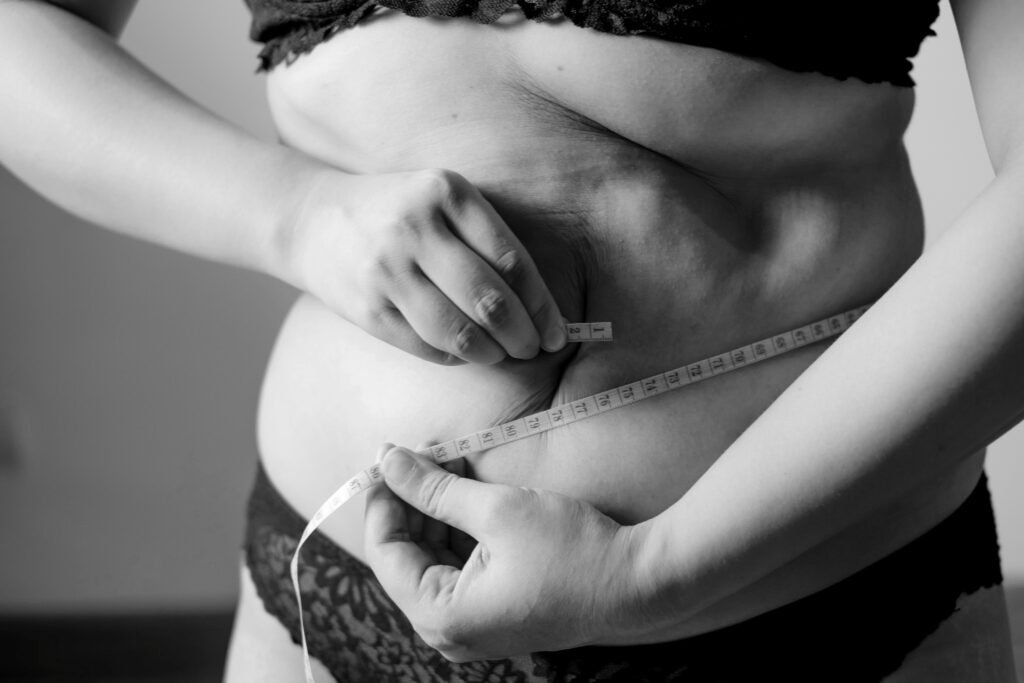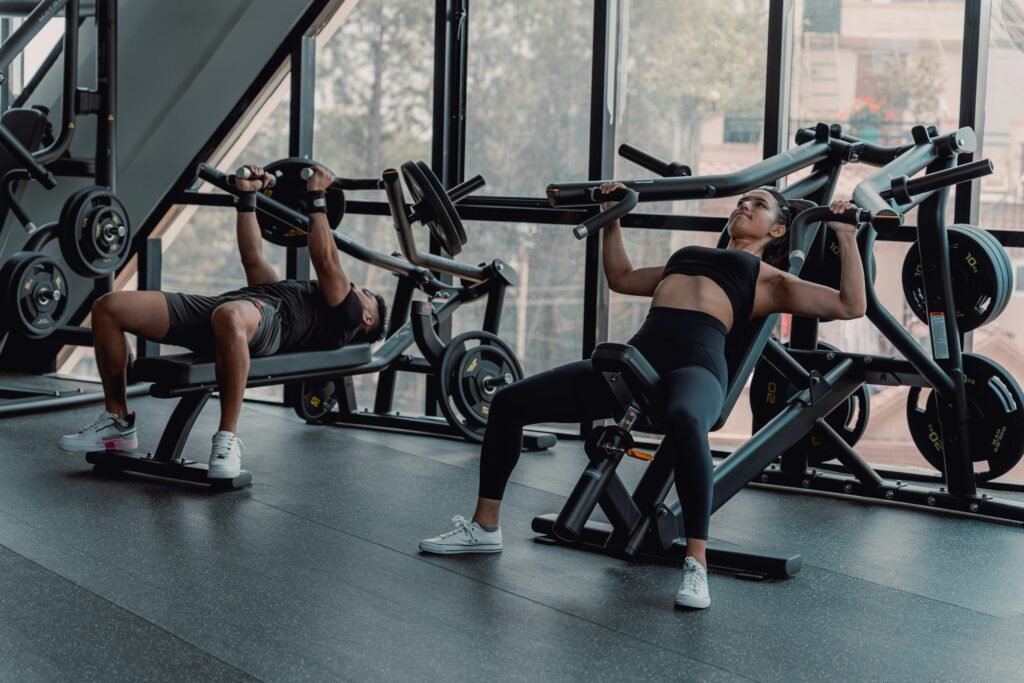
The cardio vs weights for fat loss debate is one of the oldest arguments in the gym — and if you’ve ever walked into a fitness centre unsure whether to head straight for the treadmill or pick up a dumbbell, you’re in good company. Most beginners default to cardio because it feels more intuitive for burning fat. But the research tells a more interesting story. Both cardio and weights play a genuine role in fat loss — and doing them in the right order can make a meaningful difference to your results.
Table of Contents
How Cardio and Weights Actually Compare for Fat Loss

Before we settle the debate, let’s understand what each type of training actually does to your body.
Cardio burns more calories during the session
If you compare a 30-minute run to a 30-minute lifting session, the run wins on immediate calorie burn. Sustained cardio — running, cycling, rowing — keeps your heart rate elevated for the entire session and burns a significant number of calories while you’re doing it. For a quick understanding of why total calorie burn matters for fat loss, our guide on what is a calorie deficit breaks it down simply.
This is why cardio has always been associated with fat loss — the calorie burn is visible, measurable, and immediate.
Weight training burns fat long after you finish
Here’s what most beginners don’t know: weight training triggers something called EPOC — Excess Post-Exercise Oxygen Consumption, commonly known as the afterburn effect. After a strength training session, your body continues burning elevated calories for up to 24 to 48 hours as it repairs muscle tissue and restores itself to its resting state.
Weight training also builds and preserves muscle mass, which is critical during a calorie deficit. Muscle is metabolically active tissue — the more of it you carry, the more calories your body burns at rest every single day. Cardio alone, especially in a calorie deficit, can cause your body to break down muscle for energy — slowing your metabolism over time. If you’re training at home, starting with a quality set of adjustable dumbbells on Amazon gives you the most versatility for building lean muscle.
This is the key insight: cardio helps you burn calories now. Weights help you burn more calories permanently.
Cardio vs. Weights for Fat Loss — The Verdict
The honest answer is that the best approach for most beginners combines both. But when it comes to which one you should do first in the same session, your goal determines the answer.
If your goal is fat loss and body recomposition — do weights first
When your energy levels are highest at the start of a session, that’s when you want to be under the barbell. Lifting with fatigued muscles from a prior cardio session compromises your form, reduces the weight you can handle, and increases your injury risk.
Do your resistance training first — 30 to 45 minutes of compound movements like squats, deadlifts, rows, and presses. Then finish with 15 to 20 minutes of moderate-intensity cardio like a brisk walk or light cycling. This order maximises the quality of your strength session while still getting the cardiovascular benefit.
If your goal is endurance or cardiovascular health — do cardio first
If you’re training for a 5K, building your aerobic base, or managing a cardiovascular health condition, prioritise cardio at the start of your session when your energy and focus are highest. Follow it with lighter resistance work. Your endurance goals take precedence here.
For most beginners reading this who want to lose fat and improve how they look and feel, weights first is the answer.
4 Golden Rules for Combining Cardio and Weights Efficiently
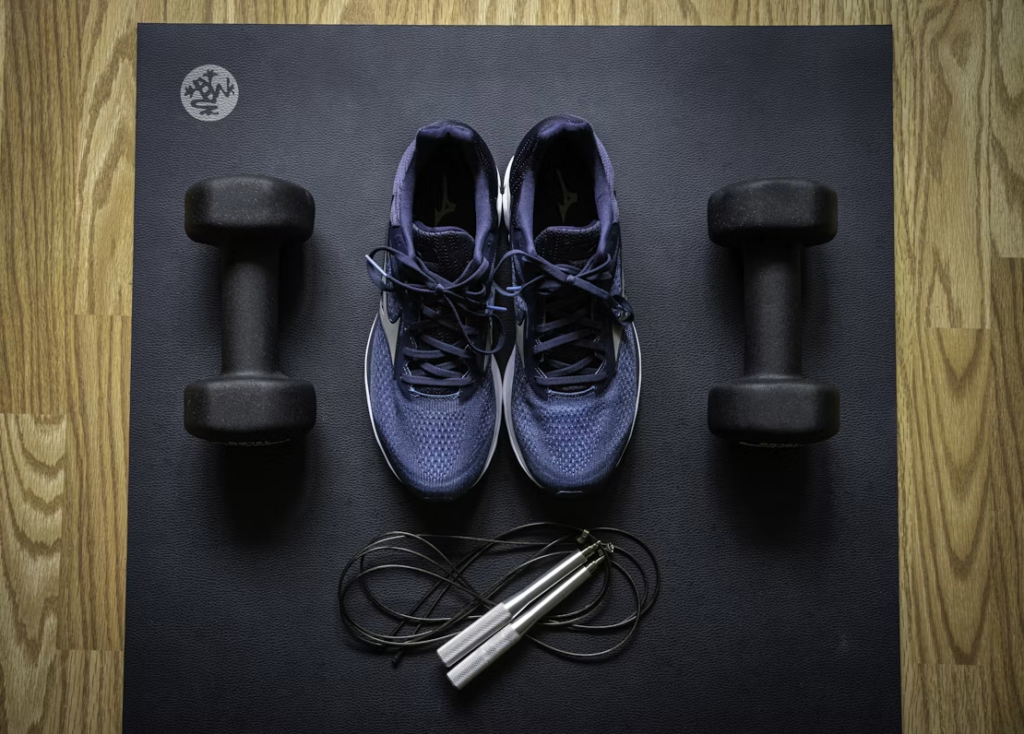
Getting the order right is one piece of the puzzle. Here are four rules that make the combination work even better:
Rule 1 — Never exhaust yourself on high-intensity cardio before lifting
HIIT, sprint intervals, or intense cycling before a weights session leaves your muscles pre-fatigued, your nervous system drained, and your form compromised. If you want to do high-intensity cardio and weights in the same day, separate them — morning and evening — or choose different days entirely.
Rule 2 — Keep resistance training consistent at two to three times per week
The afterburn effect and muscle-building benefits of weight training only accumulate with consistency. Two to three resistance sessions per week is the minimum effective dose for meaningful fat loss and body recomposition results. Missing sessions regularly means the metabolic benefits reset and you’re starting over each time.
Rule 3 — Use low-impact cardio on active recovery days
Rest days don’t have to mean lying on the couch. Low-impact cardio — a 30-minute walk, gentle cycling, or swimming — on your off days burns additional calories, keeps blood flowing to sore muscles, and speeds up recovery without adding meaningful stress to your joints or nervous system. Walking in particular is one of the most underrated fat loss tools available to beginners. For a low-impact warm-up or beginner-friendly resistance, using heavy-duty resistance bands on Amazon is a great way to prime your muscles before starting your routine.
Rule 4 — Fuel your sessions with adequate protein and stay hydrated
Both cardio and weight training increase your body’s demand for protein and water. Aim for 1.6 to 2 grams of protein per kilogram of body weight daily to support muscle repair and retention during fat loss. Stay well hydrated before, during, and after every session — dehydration reduces performance and slows recovery significantly.
A Note on Fat Loss vs Weight Loss
There’s an important distinction worth making here. When most people say they want to lose weight, what they actually mean is they want to lose fat while keeping — or even building — muscle. That’s body recomposition, and it’s a different goal to simply making the number on the scale go down. To monitor your calorie expenditure and stay in the optimal target zone during your workouts, wearing a fitness tracker on Amazon keeps you on track.
Cardio alone tends to produce weight loss — but some of that weight is muscle. The combination of weights and cardio, done in the right order, targets fat specifically while preserving or building the muscle underneath. If this distinction matters to you, our article on fat loss vs weight loss covers exactly why the difference matters and how to train for each goal.
For gym equipment, resistance bands, dumbbells, and everything else you need to start training at home or in the gym.
The Bottom Line
The cardio vs weights for fat loss debate doesn’t have a single winner — it has a combination. For beginners focused on losing fat and improving their body composition, the most effective approach is weights first followed by moderate cardio, done two to three times per week, with low-impact cardio on rest days.
But here’s the truth that matters most: the best workout is the one you actually show up for consistently. Perfecting the order matters far less than building the habit of training regularly. Start where you are, be consistent, and the results will follow.
Disclaimer & Affiliate Disclosure
This article is for informational purposes only and should not be taken as medical advice. Always consult with a qualified healthcare provider before making significant changes to your diet or exercise routine. This article may also contain affiliate links. If you purchase through these links, we may earn a small commission at no extra cost to you.