Calisthenics for beginners at home means building strength with your own body weight, using simple moves like push ups, squats, rows and planks, and you can start with no equipment at all.
Table of Contents
Quick Summary
- What it is: strength training that uses your body weight instead of machines or heavy weights.
- How often: the CDC recommends at least 2 days a week of muscle-strengthening activity that works all major muscle groups. A 3-day plan is a good start.
- Start easy: wall or incline push ups, chair squats and short planks, then progress when you can finish every set with good form.
- Does it work? In an 8-week trial of 18 men, push ups built chest and triceps muscle and bench-press strength about as well as a low-load bench press.
- Safety: stop if you feel sharp pain, and use the wrist-friendly options below if push ups bother your wrists.
Most beginner guides hand you a list of exercises and nothing else. This one gives you a simple 3-day plan, clear rules for when to move to a harder version, and the safety basics that keep you training.
What Is Calisthenics?
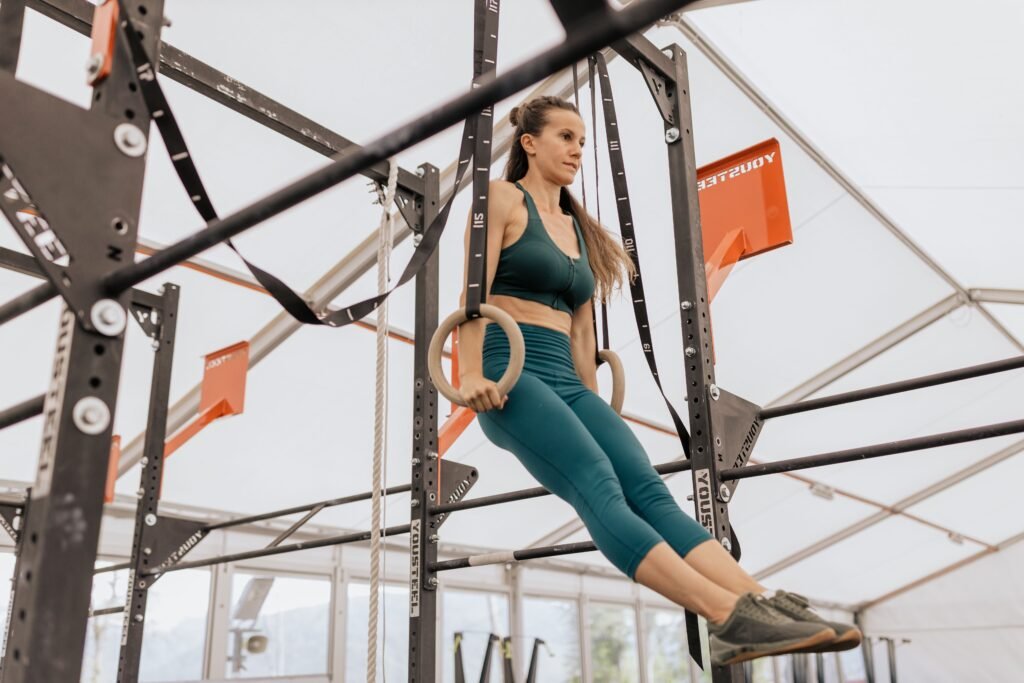
Calisthenics is a style of strength training that uses your own body weight as resistance. Think push ups, squats, lunges, planks and pull ups.
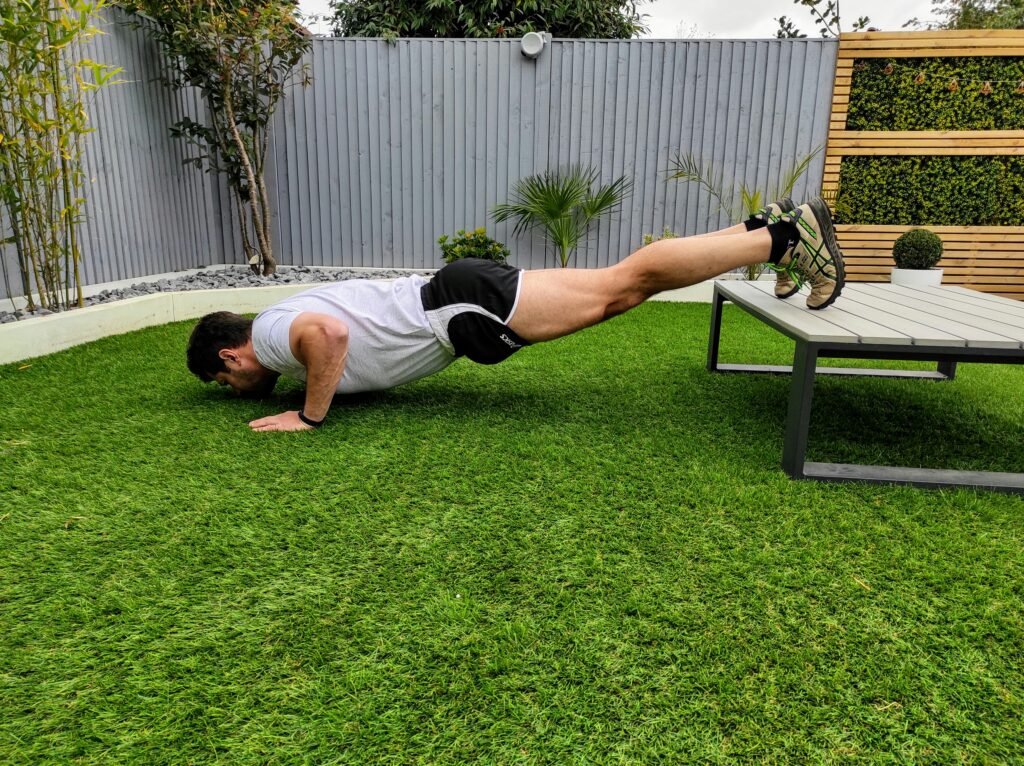
It suits beginners because you can scale each move up or down. A push up against a wall is easy, a push up on the floor is harder, and a push up with your feet raised is harder still. You change the leverage instead of adding weight.
You do not need a gym membership, which fits the idea behind this whole site: staying consistent should not require expensive equipment.
Does Calisthenics Work for Beginners?
Yes, for building basic strength and muscle. Here is what the evidence shows.
A 2017 randomized trial by Kikuchi and Nakazato compared a bench press with push ups in 18 healthy men over 8 weeks. Both groups trained twice a week at about 40 percent of their bench-press maximum, and the push-up group changed its position (for example, kneeling) to match that load. Both groups gained bench-press strength and muscle thickness in the chest and triceps.
There are limits. The sample was small, all participants were young men, and the trial measured specific upper-body outcomes. It does not show that bodyweight training beats weights. It shows that, for a beginner, push ups are a real strength exercise and not just a warm-up.
Also useful: a 2017 meta-analysis by Schoenfeld and colleagues, summarized by the Canadian Kinesiology Alliance, found that muscle growth was not significantly different between lighter and heavier loads, while heavier loads gave larger strength gains. That is good news for bodyweight training, because lighter loads can still build muscle.
How Often Should Beginners Do Calisthenics?
The CDC says adults need at least 2 days a week of muscle-strengthening activity that works all the major muscle groups: legs, hips, back, abdomen, chest, shoulders and arms.
A simple structure is three non-consecutive days a week, such as Monday, Wednesday and Friday. The Mayo Clinic advises resting a full day between sessions for the same muscle groups, and says one set is usually enough to start.
Your 3-Day Calisthenics for Beginners at Home Plan
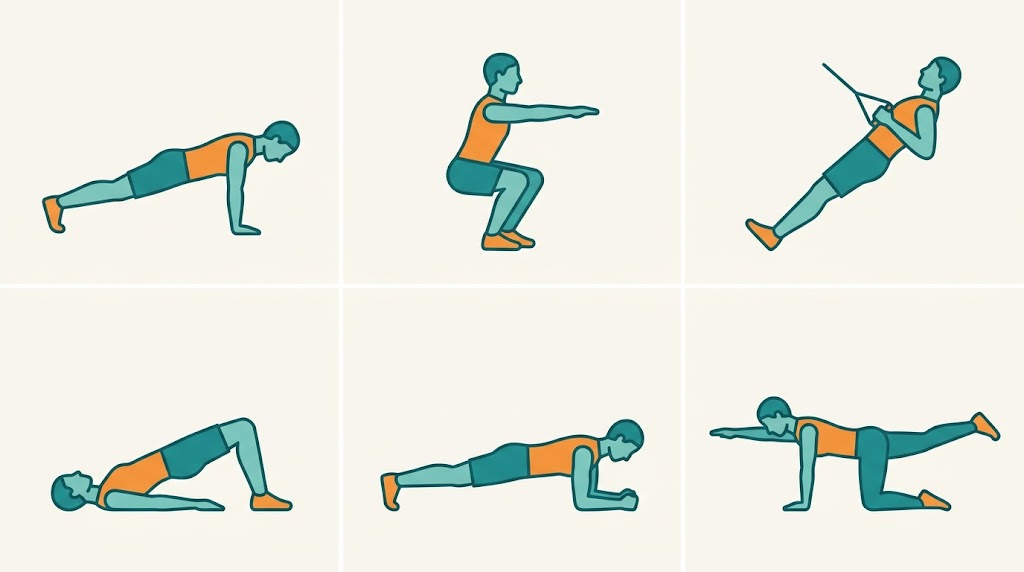
This plan is our own beginner starting point, not a clinical program. Do a 5-minute warm-up of marching, arm circles and bodyweight squats first. Rest 60 seconds between sets.
| Move | Sets and reps | Easier version | Harder version |
|---|---|---|---|
| Push up | 2-3 sets of 5-10 | Wall or incline push up | Floor push up, then feet raised |
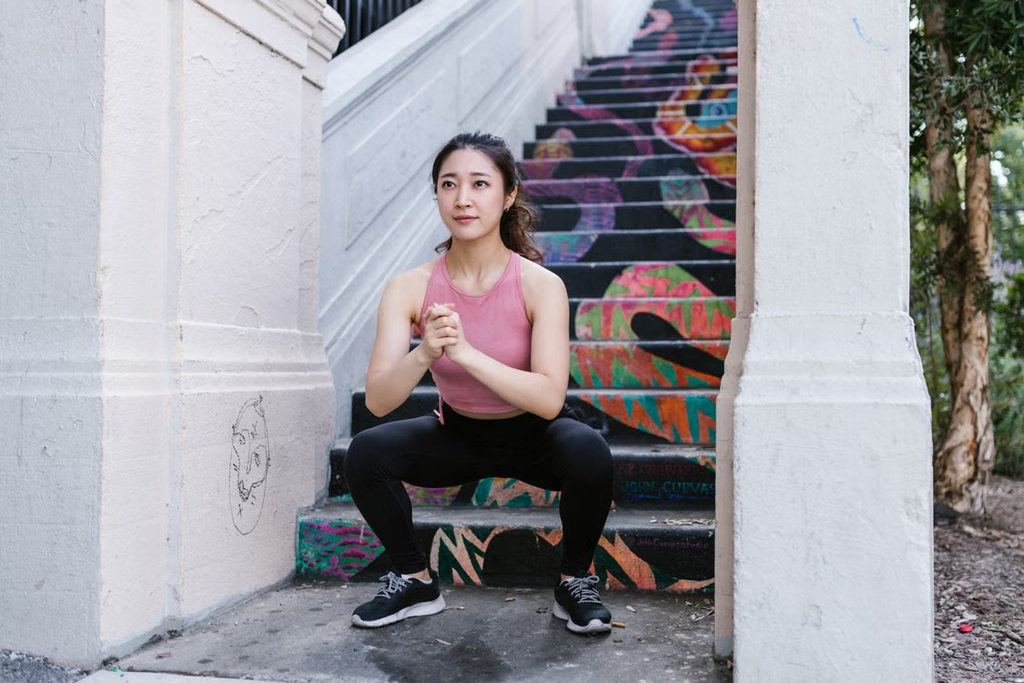
| Squat | 2-3 sets of 10-15 | Chair squat | Slow squat or jump squat |
| Row | 2-3 sets of 8-12 | Band row | Doorway or bar row |
| Glute bridge | 2-3 sets of 10-15 | Both feet on floor | One leg at a time |
| Plank | 2-3 holds of 15-30 seconds | Knee plank | Longer holds or side plank |
| Bird dog | 2 sets of 8 per side | Smaller reach | Pause for 3 seconds |
Do the same session on all three days for the first two weeks. Then follow the progression rules below.
How to Know When to Progress
A common problem is not knowing when a move has become too easy. Use this rule:
- If you can finish every set at the top of the rep range with good form, make the move a little harder.
- If your form breaks down before the bottom of the range, stay at the same level or go back one step.
The Mayo Clinic suggests choosing a level that tires your muscles in about 12 to 15 reps and making it harder gradually. A 2024 review by Robinson and colleagues in Sports Medicine, summarized by Abertay University, found that muscle growth improved as sets were taken closer to failure, while strength gains were similar across a wide range. The authors note that the closeness to failure was estimated, so treat the idea as a guide. For a beginner, stopping a couple of reps before you are forced to stop is a sensible, safe starting point.
Our guide on progressive overload at home goes deeper on adding difficulty without weights.
Wrist, Shoulder and Knee Safety
Push ups and planks put weight through your wrists. According to Healthline’s guide to wrist pain in push ups, reviewed by a physical therapist, wrist pain is common with poor form or weak muscles. It suggests these modifications:
- Hold push-up handles or dumbbells so your wrists stay straight
- Switch to wall or incline push ups
- Try forearm planks
The same guide says these exercises should not cause pain, and to see a doctor for numbness, tingling, pain at rest or at night, or reduced range of motion.
For knees, stay in a squat depth that feels comfortable, and stop for sharp pain. If pain keeps coming back, check with a healthcare provider or physical therapist.
What You Need for Calisthenics at Home
You can start with nothing. These items make progress easier.
- Doorway pull-up bar: for rows and, eventually, pull ups. Check that it fits your doorframe before you buy.
- Resistance band set: bands help you do assisted pull ups, band rows and easier versions of hard moves.
- Exercise mat: it makes floor moves like planks and bridges more comfortable.
- Adjustable dumbbells: optional, for adding load to squats and bridges when body weight alone feels easy.
If you want to work toward your first pull up, follow our 4-week doorway progression.
What If You Cannot Do a Push Up Yet?
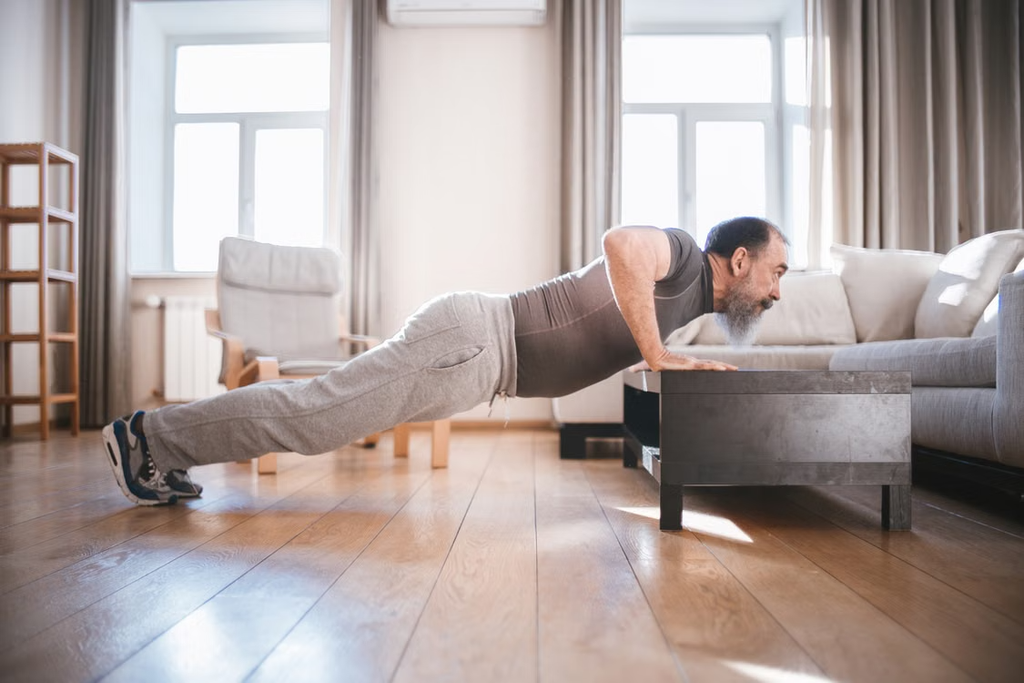
Almost every beginner starts here, and it is fine. Work up this ladder, spending a week or two on each step:
- Wall push up: stand an arm’s length from a wall and press. The NHS strength guide uses a wall press-up as its starting point.
- Incline push up: hands on a kitchen counter or sturdy table, then a lower surface such as a sofa.
- Knee push up: keep a straight line from your knees to your head.
- Slow lowering: from a full plank, lower yourself for three to five seconds and then rest your knees to push back up.
- Full push up: when you can do 8 to 10 clean reps on the previous step.
Move up only when the current step feels controlled. Your wrists and shoulders will thank you.
Calisthenics vs Weights for Beginners
People often ask which is better. Both work for beginners, so the answer depends on your situation:
- Calisthenics costs nothing, travels anywhere and teaches body control. The downside is that you adjust difficulty by changing the exercise, which takes some creativity.
- Weights make it easy to add a small, exact amount of load. The downside is that you need equipment.
You do not have to choose. Many people start with calisthenics and add dumbbells later.
Common Calisthenics Mistakes
- Skipping the easier versions. A wall push up with good form beats a floor push up with a sagging back.
- Rushing the reps. Slow, controlled reps work your muscles harder.
- Training the same muscles every day. They need rest to grow.
- Ignoring pulling. Push ups work your chest, but you also need rows for your back.
- Chasing hard skills too early. Handstands and muscle ups can wait.
For more starter moves, see our list of essential home exercises for beginners.
Quick Answers
Can you build muscle with calisthenics for beginners at home? Yes. Beginners can build muscle with bodyweight moves, as long as they progress the difficulty over time.
How long until I see results? It varies. Many people notice better strength within a few weeks, but visible changes take longer, so give it at least a couple of months.
Is calisthenics better than weights? Neither is better for everyone. Calisthenics is cheaper and more flexible at home, while weights make it easier to add load in small steps.
Do I need a pull-up bar? No, but it makes back training much easier because pulling is hard to do with no equipment.
The Bottom Line
Calisthenics for beginners at home is simple: pick a handful of basic moves, train three days a week and make each one a little harder only when your form stays clean. Use the easier versions without guilt.
Start with the 3-day plan above, add rows with a bar or bands, and track your reps for a month. You will almost certainly be stronger by then.
Disclaimer & Affiliate Disclosure
This article is for informational purposes only and should not be taken as medical advice. Always consult with a qualified healthcare provider or certified fitness professional before starting or changing your diet or exercise routine. This article may also contain affiliate links. If you purchase through these links, we may earn a small commission at no extra cost to you.