Walking pad vs treadmill comes down to what you want to do on it: a walking pad is a compact, handrail-free belt built for walking, while a standard treadmill is bigger, faster and usually lets you run and set an incline.
Table of Contents
Quick Summary
- Walking pad: typically tops out around 3.7 to 4 mph, folds or slides away, usually has no handrails and usually no incline. Best for walking at home or under a desk.
- Treadmill: often reaches 10 to 12 mph, usually has handrails and incline, and takes more space. Best if you want to run or do intervals.
- Price: Healthline gives about $300 to $600 for walking pads and $300 to $1,000 or more for treadmills.
- Safety: Consumer Reports found that many under-desk belts are small enough to step off, and that safety keys can stop the belt abruptly.
- Evidence: more daily steps are linked with lower death risk, but no study we found tests walking pads themselves.
Most comparison pages test one pad against one treadmill and skip safety. This one covers what is typical, what varies by model, what the research can and cannot tell you, and who should pick which.
Walking Pad vs Treadmill: The Main Differences
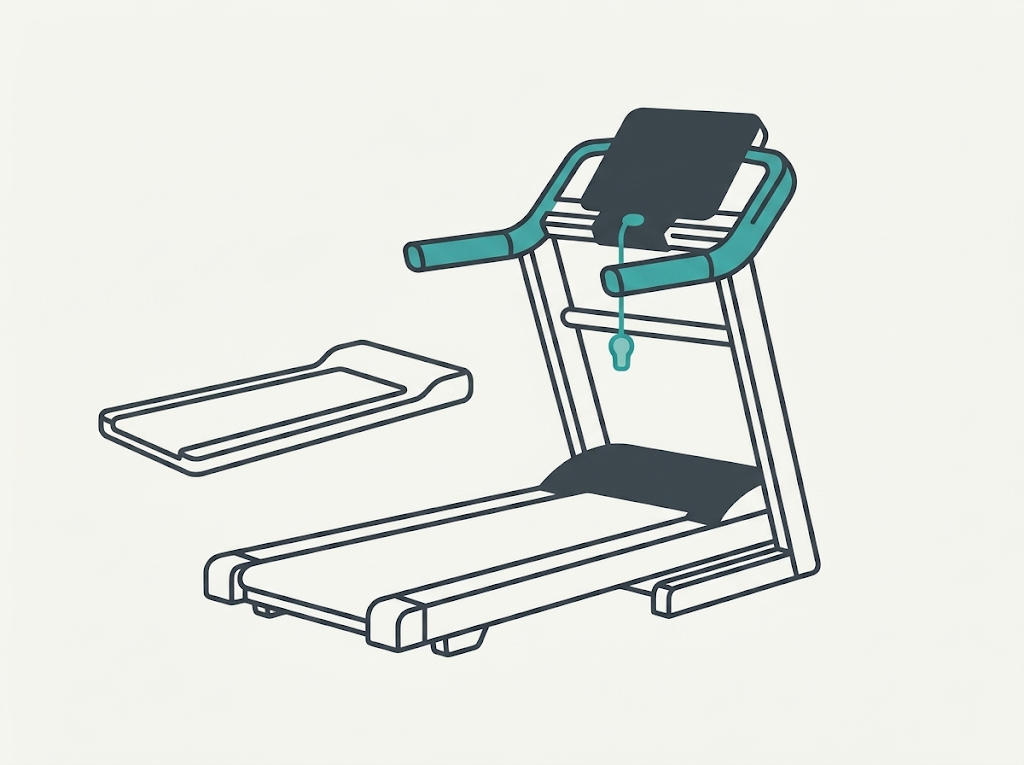
These are typical specs, not universal ones. Individual models differ, so check the listing for any product you consider. The example models come from reviews and retailers.
| Factor | Walking pad (typical) | Treadmill (typical) |
|---|---|---|
| Top speed | About 3.7 to 4 mph | Often 10 to 12 mph |
| Running | Built for walking, some allow light jogging | Yes |
| Incline | Usually none, though some newer models advertise it | Usually yes |
| Handrails | Usually none | Yes |
| Belt size | Most under-desk belts are 14 to 16.5 in wide | Often about 20 in wide and 55 in or more long |
| Weight capacity | Varies widely, from about 220 to 400 lb in examples | About 320 to 325 lb in examples |
| Storage | Slides under a bed or couch, or folds | Bigger, and folding models are heavy |
| Price | About $300 to $600 | About $300 to $1,000 or more |
The sources behind the table are Healthline’s comparison, Garage Gym Reviews and Consumer Reports. Garage Gym Reviews listed a WalkingPad P1 at 0.5 to 4 mph with a 220 lb capacity, and a Horizon 7.0 AT treadmill at 0.5 to 12 mph with a 325 lb capacity. Those are examples of one pad and one treadmill, not rules. One retailer, Merach, advertises a walking pad with a 0 to 12 percent incline and a 400 lb capacity, so some newer pads break the typical pattern.
We found no independent noise measurements, so we are not comparing noise levels. Retailers call their own products quiet, which is not proof.
Walking Pad vs Treadmill: Which One Should You Choose?
A walking pad fits you better if:
- You mainly want to walk, for steps, light activity or a standing desk setup.
- You live in a small space and need to store it out of sight.
- You want a low-impact option. Healthline notes pads have thinner decks than treadmills.
A treadmill fits you better if:
- You want to run, do intervals or train with incline.
- You are taller or heavier, or you need a wider, longer belt.
- You want handrails for balance. Healthline and Garage Gym Reviews both say handrails suit older adults or people with limited mobility.
If you already have limited space, our best home gym equipment for small spaces guide covers other compact options. For a wider shopping order, see our best home workout equipment list.
Which Walking Pad and Treadmill Should You Buy?
We have not tested any of these machines. The picks below are examples to start your search, based on how each one is sold and, for the treadmill, published specs. Always check the current listing before you buy, since models and prices change.
Walking pad: CHAOKE walking pad. This is a compact walking pad for people who mainly want to walk at home or under a desk. Check the listing for top speed, belt size, weight limit, whether it folds and the warranty. These are the points Consumer Reports flagged, and they matter most on small belts.
Hybrid: LONTEK treadmill. This one is sold as a hybrid between a walking pad and a treadmill. It may suit you if you want something smaller than a full treadmill but more than a bare walking belt. Check the listing for incline, handrails, top speed, weight limit and folded size.
Treadmill: NordicTrack T 6.5 S (NTL17915). This is a full-size folding treadmill for people who want to run, use incline or have handrails. According to the specs listed on BestAdvisor, it has:
- a 55 by 22 in belt
- a top speed of 10 mph
- up to 10 degrees of incline
- a 300 lb user limit
- a folding frame
- a 1-year manufacturer warranty
Customers on that page say it is heavy to assemble, which usually takes two people, and that the console asks you to register with iFit at first.
| Machine | Best for | Check on the listing |
|---|---|---|
| CHAOKE walking pad | Walking at home or under a desk | Speed, belt size, weight limit, folding, warranty |
| LONTEK hybrid | A middle option between a pad and a treadmill | Incline, handrails, speed, weight limit, folded size |
| NordicTrack T 6.5 S | Running, incline and handrails | Price, assembly help, warranty |
Before you buy any of them, measure your space, check the weight limit against your own weight, and read the warranty. Consumer Reports found many under-desk makers offer a year or less.
What Does the Research Say About Walking?
Does walking more actually help? A 2022 meta-analysis by Paluch and colleagues in Lancet Public Health pooled data from 15 cohorts with 47,471 adults, covering 3,013 deaths over a median follow-up of 7.1 years. Compared with the least active quarter, people in the most active quarter (a median of about 10,900 steps a day) had a hazard ratio of 0.47 for dying from any cause. The benefit levelled off around 6,000 to 8,000 steps a day for people 60 and over, and around 8,000 to 10,000 for younger adults.
There are limits. The study was observational, so it shows an association, not that steps cause the benefit. The cohorts differed in population and start date, and it measured steps, not walking pads or treadmills. We read the abstract on PubMed.
On desk use, a 2016 Cochrane review of workplace interventions to reduce sitting found 20 studies with about 2,180 office workers. One small study of treadmill desks plus counselling cut sitting by about 29 minutes a day, but the evidence was low quality and no study followed people past 12 months. It also predates modern walking pads.
So walking more is well supported, but there is no proof that a walking pad gets you there better than a treadmill or a walk outside. For step ideas, see our guides on is walking a form of exercise and how many steps a day to lose weight.
How Much Activity Do You Need?
The CDC recommends at least 150 minutes of moderate-intensity activity a week, or 75 minutes of vigorous activity, plus muscle-strengthening on at least 2 days a week. Walking counts toward the moderate minutes. Neither machine covers the strengthening part, so plan something for that too.
If you want a run later, our start running for beginners plan is a gentle start, and our how to build endurance guide covers longer-term stamina. A treadmill can handle that, while most walking pads cannot.
Safety: What Consumer Reports Found
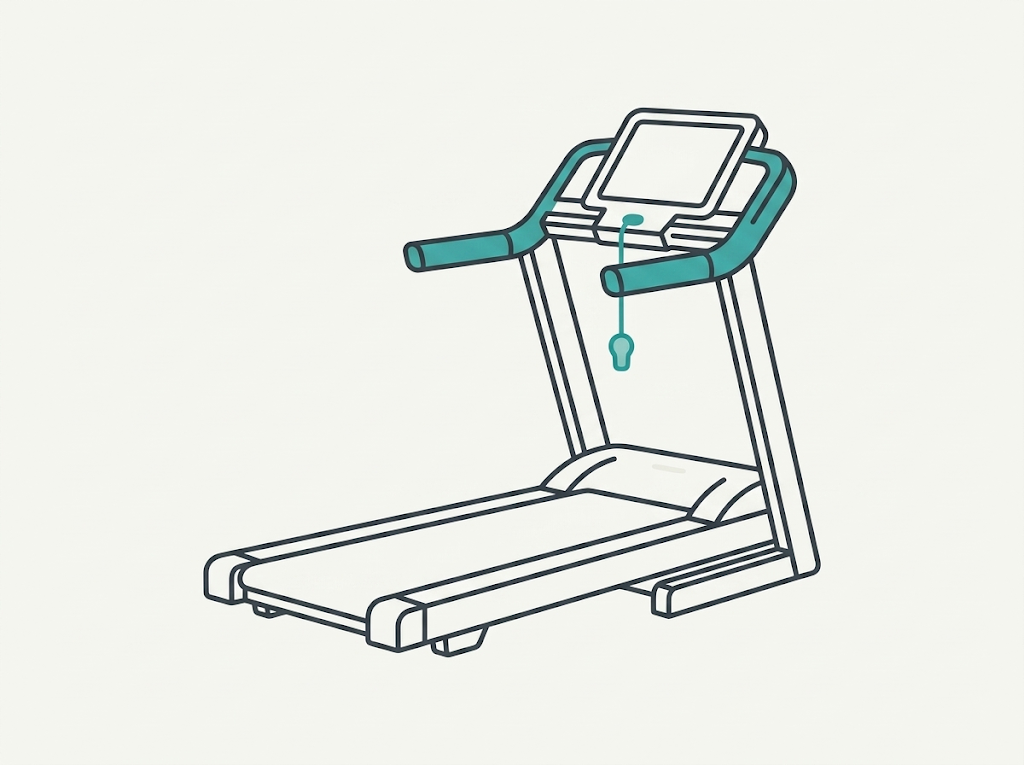
Consumer Reports looked at under-desk treadmills, which include most walking pads, and raised several concerns:
- Most under-desk belts are small, so users can step off or lose their balance.
- A report to the U.S. Consumer Product Safety Commission described a head injury when a treadmill stopped suddenly and threw the user into a desk.
- Safety keys can stop the belt abruptly.
- Most models lack handrails.
- Some models ran faster than Consumer Reports considers safe for walking, or did not match the displayed speed.
Practical habits, which come from a vendor blog and are weaker evidence, include stepping on and off only when the belt has fully stopped, using a speed you can sustain, and routing cables away from the belt.
If you have balance problems or a health condition, check with a doctor before you buy, and consider a treadmill with handrails. Warranties are another concern. Consumer Reports found many under-desk makers offer a year or less.
How to Use Either Machine Well
- Start slow. Build up your time gradually.
- Wear supportive shoes. Comfortable, cushioned shoes make longer sessions easier.
- Keep the surface clear. Do not leave cables or objects near the belt.
- Take breaks. Do not stay on it for hours without rest.
- Add strength work on at least 2 days a week.
What You Need
- Running shoes: supportive shoes help on either machine. Check the listing for sizing before you buy.
- Resistance band set: the CDC wants strength work on 2 days a week, and bands are a cheap way to cover it.
- Exercise mat: a mat under a machine may help protect a floor. That is our suggestion, not a tested claim. Check the listing for size and thickness.
Common Mistakes
- Buying a walking pad to run on. Consumer Reports says they are not designed for running.
- Ignoring belt size. Check the width and length before you buy.
- Trusting top-speed claims. Specs and displayed speed can differ.
- Skipping the warranty. Check how long it lasts.
- Doing only walking. Add strength training as well.
Quick Answers
Is a walking pad as good as a treadmill? For walking, yes in practice. For running, incline or a long belt, a treadmill is the better fit.
Can you run on a walking pad? Most are built for walking. Healthline mentions light jogging for some, while Consumer Reports says they are not designed for running.
Do walking pads help you lose weight? No study we found tests that. Walking adds activity, but weight loss depends on your overall calories.
Which is better for a small apartment? A walking pad usually takes less room, but check dimensions and storage for any model.
The Bottom Line
In the walking pad vs treadmill choice, buy the machine that matches your plan. If you want to walk and need to save space, a walking pad can do the job. If you want to run, train on a hill or need handrails, choose a treadmill.
Whichever you pick, check the belt size, speed range, weight limit and warranty, and keep safety in mind. Remember that steps matter more than the machine.
Disclaimer & Affiliate Disclosure
This article is for informational purposes only and should not be taken as medical advice. Always consult with a qualified healthcare provider or certified fitness professional before starting or changing your diet or exercise routine. This article may also contain affiliate links. If you purchase through these links, we may earn a small commission at no extra cost to you.