Learning how to gain weight fast doesn’t mean eating as much as physically possible — the real research shows that approach mostly just adds fat, not muscle.
Table of Contents
Quick Summary
- The old “eat everything in sight” bulking advice is backed by less science than you’d think. A review of research on off-season bulking recommends a surplus of just 10-20% above maintenance calories, not an unlimited free-for-all.
- A bigger surplus doesn’t build meaningfully more muscle — your body can only build new muscle tissue so fast. Extra calories beyond that ceiling mostly become fat.
- Beginners can use the higher end (closer to 20%) since new lifters build muscle faster; more experienced lifters should stay closer to 10%, since their muscle-building ceiling is lower.
- A realistic weekly gain rate is 0.25-0.5% of your bodyweight — for a 70kg person, that’s roughly 175-350g per week, not several pounds.
- Track your actual weight trend over 3-4 weeks and adjust — the calculator below gives you a starting point, not a fixed permanent number.
Why “Eating Everything” Doesn’t Work Better
The classic hardgainer advice — eat as much as you can, as often as you can — comes from good intentions but not great evidence. Your body has a real, physiological limit on how much new muscle tissue it can build in a given week, regardless of how much you eat. Calories beyond that limit don’t get “saved” for extra muscle growth — they get stored as fat.
A narrative review evaluating the research on off-season bulking for natural bodybuilders recommends a surplus of roughly 10-20% above maintenance calories — meaningfully smaller than the “eat 1,000+ extra calories” advice still common in older hardgainer content. The practical result of overshooting this range isn’t faster muscle growth — it’s a much longer, harder cutting phase later to lose the extra fat that came along for the ride.
Calculate Your Exact Surplus
Calorie Surplus Calculator
Find your exact daily calorie target for gaining weight — based on your TDEE, not a generic “eat 500 more” guess.
How to Gain Weight Fast: The Practical Approach
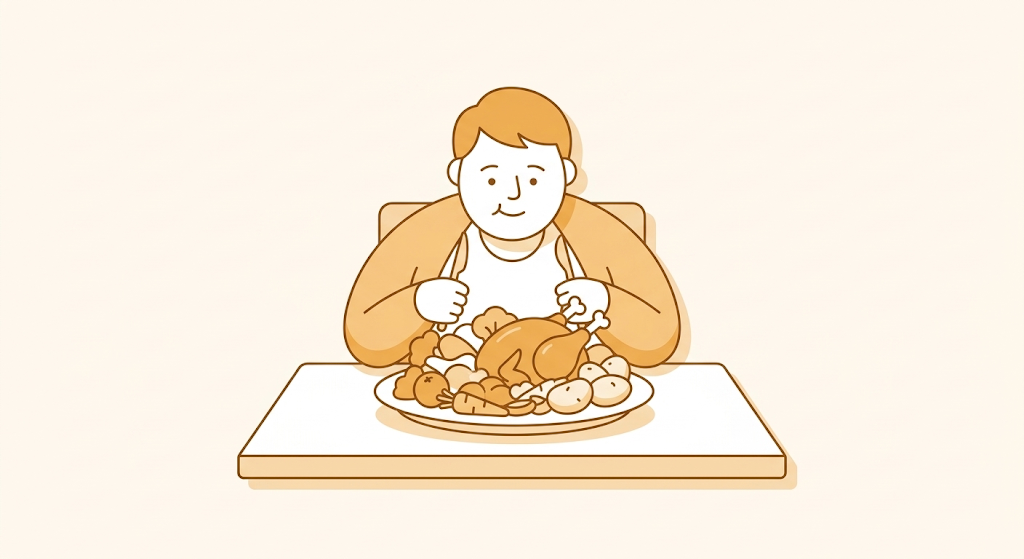
Once you know your target number, here’s how to actually hit it consistently:
Eat more often, not just more per meal. Three to four extra small meals throughout the day is far easier to sustain than trying to force down two enormous ones.
Lean on calorie-dense foods. Nuts, nut butters, olive oil, and whole grains pack more calories into less volume — genuinely helpful if you struggle to finish large meals.
Hit your protein target. Aim for roughly 1.6-2.2g of protein per kg of bodyweight daily — this is what actually directs the surplus toward muscle rather than just fat.
Train with compound lifts. Squats, presses, rows, and deadlifts give your body the strongest signal to direct extra calories toward muscle, not just storage.
Common Mistakes to Avoid
- Chasing a huge surplus for faster results. As the research shows, this mostly just adds fat, not extra muscle.
- Skipping resistance training. Without a strength stimulus, a surplus is far more likely to become pure fat gain.
- Judging progress daily instead of weekly. Day-to-day weight fluctuates from water and food volume — check your trend over weeks, not single days.
- Never adjusting the target. If the scale isn’t moving after 3-4 weeks, your surplus needs a genuine increase, not just more patience.
Recommended Equipment
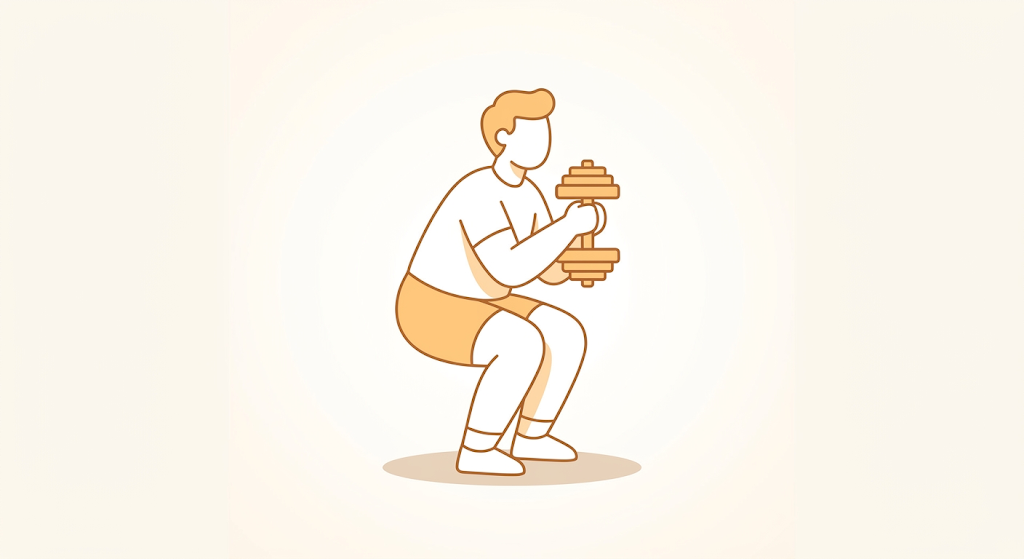
- Adjustable dumbbell set — resistance training is what determines whether your surplus builds muscle or just fat
Learning how to lose weight without losing muscle isn’t about a special trick — it’s about respecting a slower pace than feels tempting, backed by a real study showing that pace difference actually determines whether you gain or hold steady on muscle, not just how much fat you lose. If you want the specifics on protein and deficit sizing, the two guides linked above cover both in depth — and if you’re actually trying to go the other direction, our guide on gaining weight fast covers the same “moderate wins” principle applied to bulking.
Disclaimer & Affiliate Disclosure
This article is for informational purposes only and should not be taken as medical advice. Always consult with a qualified healthcare provider or certified fitness professional before starting or changing your diet or exercise routine. This article may also contain affiliate links. If you purchase through these links, we may earn a small commission at no extra cost to you.