What should I eat after a workout? Most beginners focus entirely on the training itself and forget that what happens in the hour after your session is just as important as the workout itself. Here’s exactly what to eat, when to eat it, and why it matters.
Table of Contents
Why Post-Workout Nutrition Matters
When you train, two things happen inside your body. First, your muscles use up their stored glycogen — your body’s main fuel source during exercise. Second, the muscle fibres themselves develop tiny tears from the stress of training.
Your post-workout meal is what fixes both of these things. Carbohydrates replenish your glycogen stores so you’re ready for your next session. Protein provides the amino acids your muscles need to repair those tears and grow back stronger.
Skip your post-workout nutrition and your recovery slows down significantly. You’ll feel more sore, more fatigued, and you’ll make slower progress overall.
When Should You Eat After a Workout?
According to Healthline, consuming the right nutrients after exercise helps your body repair muscle tissue and replenish energy stores more effectively.
Timing matters. Aim to eat your post-workout meal within 30 to 60 minutes of finishing your session. This window is when your muscles are most receptive to nutrients and can absorb protein and carbohydrates most efficiently.
If you can’t eat a full meal straight away, have a quick snack within 30 minutes — a banana and a handful of nuts, or a protein shake — and follow it up with a proper meal within two hours.
What Should I Eat After a Workout? The 3 Key Nutrients

Protein is the most important post-workout nutrient. It provides your muscles with the amino acids they need to repair and grow. Aim for 20 to 40 grams of protein in your post-workout meal. Think chicken, eggs, Greek yogurt, cottage cheese, salmon, or a protein shake.
Carbohydrates replenish the glycogen your muscles burned during training. Without enough carbs after a workout, your body struggles to recover properly. Think rice, sweet potato, oats, fruit, and whole grain bread.
Healthy fats in small amounts are fine — avocado, nuts, and olive oil all have a place in a post-workout meal. Just don’t overload on fat immediately after training as it slows down absorption of protein and carbs.
The Best Post-Workout Foods

Chicken with rice and vegetables is the gold standard post-workout meal. Lean protein from the chicken, complex carbs from the rice, and vitamins and minerals from the vegetables — simple, cheap, and incredibly effective.
Eggs on whole grain toast is a quick and easy option that works brilliantly. Eggs provide complete protein with all essential amino acids, while the toast replenishes your carbohydrate stores fast.
Greek yogurt with fruit and honey gives you a fast protein hit from the yogurt, quick carbs from the fruit and honey, and it takes about 30 seconds to prepare. Perfect for right after training when you don’t want to cook.
Salmon with sweet potato is one of the most powerful recovery meals you can eat. Salmon provides high-quality protein plus omega-3 fatty acids that help reduce inflammation, while sweet potato delivers complex carbs and potassium for muscle recovery.
Protein shake with banana is the go-to quick option when you’re short on time or not hungry after training. Stock up on protein supplements and recovery essentials at Watsons Sports Nutrition or grab healthy snacks from Amazin’ Graze. The protein shake handles your protein needs while the banana replenishes glycogen fast. Add some oats or peanut butter to make it more substantial.
Cottage cheese with pineapple is an underrated post-workout combination. Cottage cheese is packed with slow-digesting casein protein that continues feeding your muscles for hours, while pineapple contains bromelain — a natural enzyme that helps reduce muscle soreness.
What to Avoid After a Workout
Skipping your post-workout meal entirely is the biggest mistake. Even if you’re not hungry, eat something within that first hour. Your muscles are waiting for fuel.
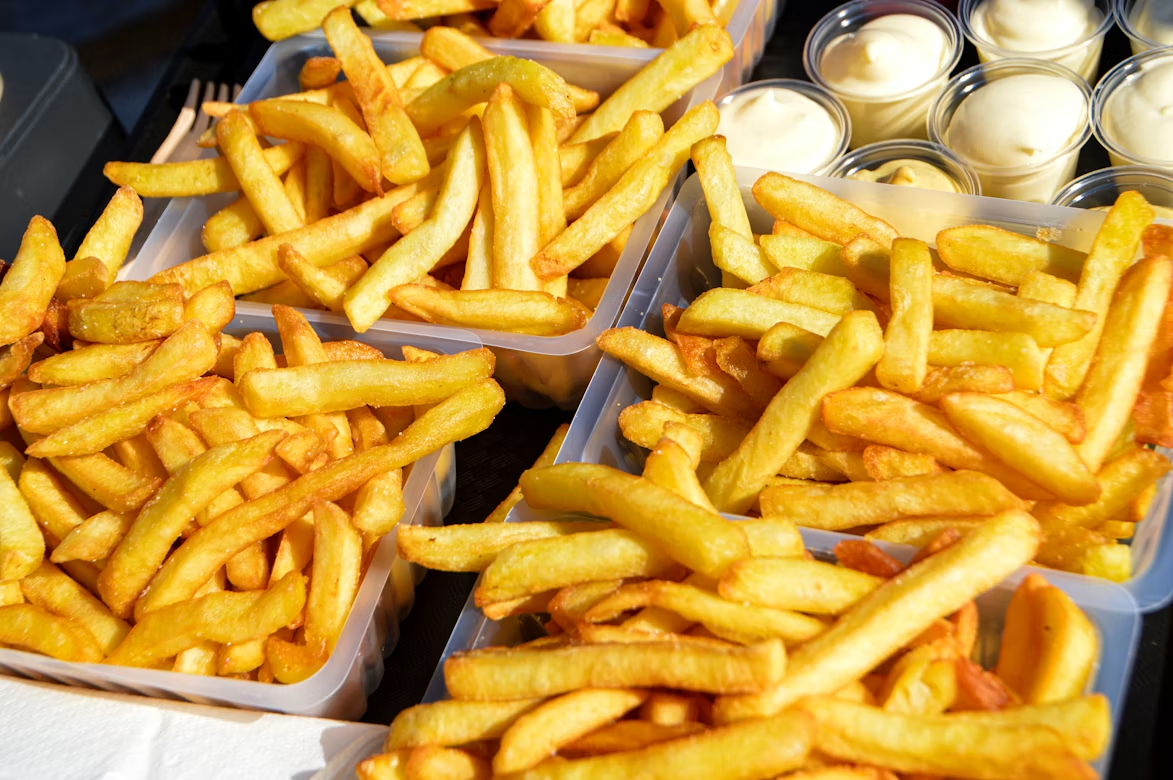
High-fat fast food immediately after training delays nutrient absorption and provides little of the quality protein and carbs your muscles actually need.
Alcohol after training is particularly harmful. It interferes directly with muscle protein synthesis — the process your body uses to repair and build muscle — and significantly slows down recovery.
Sugary drinks and junk food might replenish some glycogen, but they come with a blood sugar spike and crash, poor nutritional quality, and none of the protein your muscles need.
Don’t Forget Hydration
You lose a significant amount of fluid and electrolytes through sweat during training. Rehydrating after a workout is just as important as eating. Drink at least two glasses of water immediately after training and continue drinking throughout the rest of the day. If you sweated heavily, add an electrolyte drink or a pinch of salt to your water.
For more on fuelling your body before training, check out our guide on what should I eat before a workout.
The Bottom Line
What should you eat after a workout? Protein and carbs within 30 to 60 minutes of finishing your session. Chicken and rice, eggs on toast, Greek yogurt with fruit, or a protein shake with a banana — all excellent options. Keep it simple, eat consistently, and your body will thank you.
Disclaimer & Affiliate Disclosure
This article is for informational purposes only and should not be taken as medical advice. Always consult with a qualified healthcare provider or certified fitness professional before making changes to your diet — especially if you have existing health conditions.
This article contains affiliate links. If you purchase through these links, we may earn a small commission at no extra cost to you