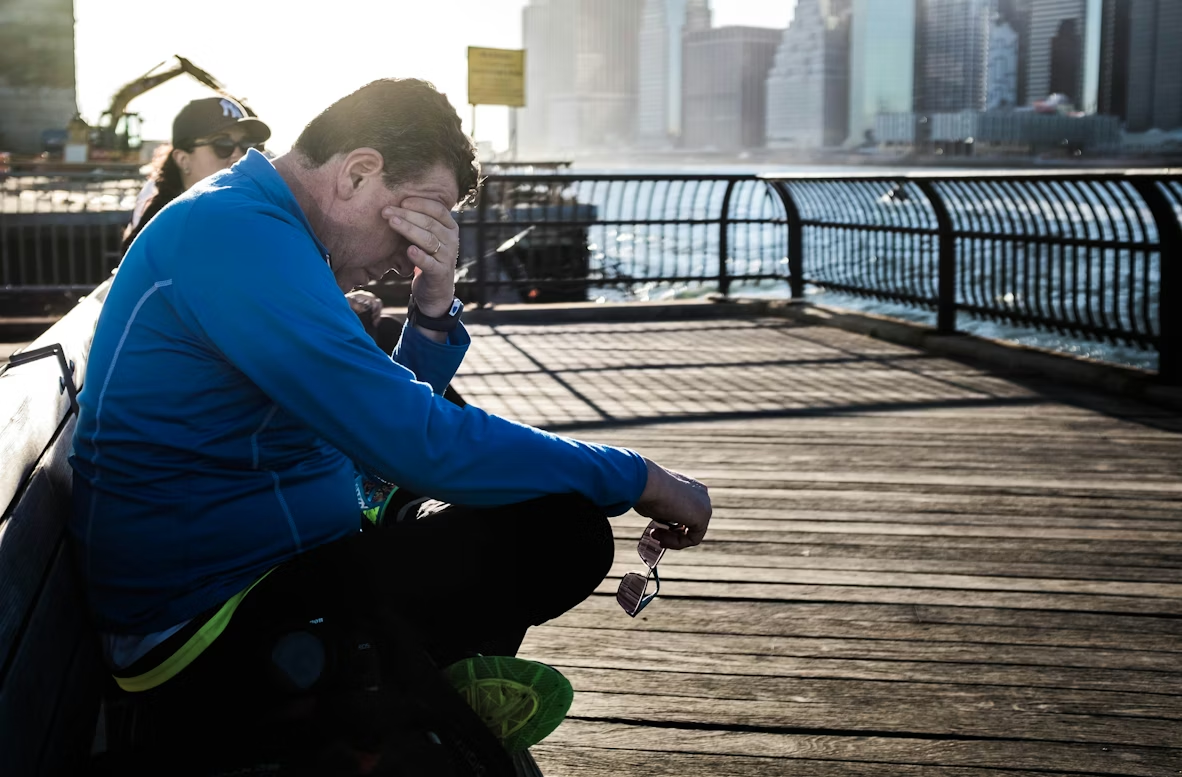
The signs of overtraining are easy to miss. You’ve been showing up, putting in the work, and training hard. But lately something feels off. You’re tired all the time, your performance is dropping, and working out feels like a chore instead of something you enjoy.
Sound familiar? You might be overtraining.
Here’s the good news — it’s fixable. But first, you need to know what to look for.
Table of Contents
What Is Overtraining?
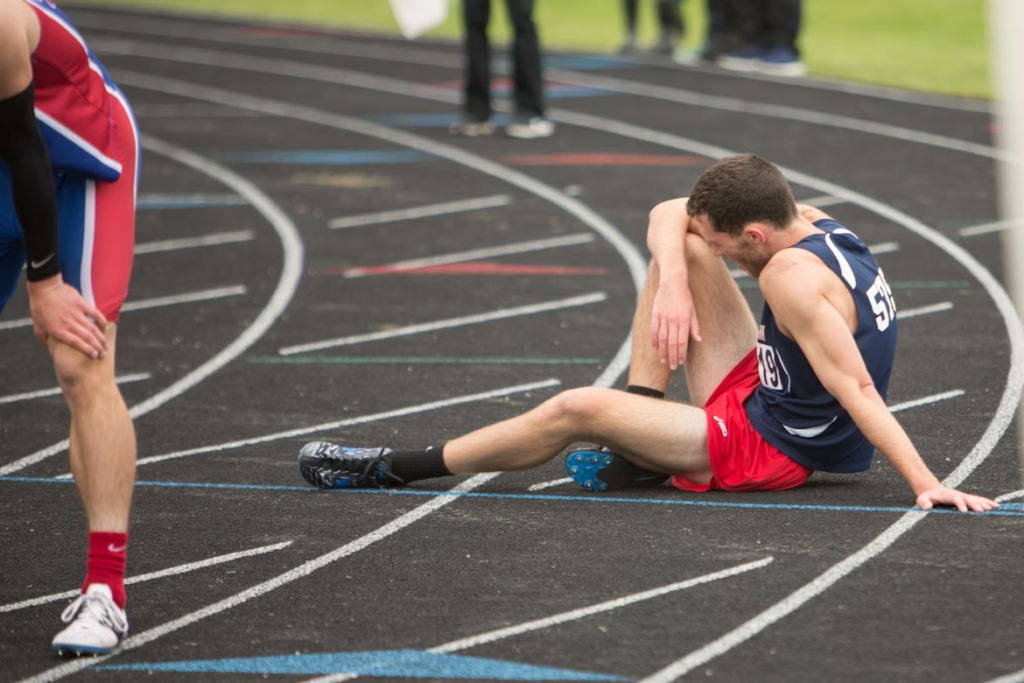
Overtraining happens when you push your body harder than it can recover from. Exercise breaks your muscles down — rest is what builds them back up stronger. When you skip enough rest, the breakdown wins.
It’s not about being weak. It’s about doing too much, too soon, without enough recovery in between.
According to Healthline, overtraining affects both your physical and mental performance over time.
8 Signs You Might Be Overtraining
1. You’re always tired — even after sleeping This isn’t normal post-workout tiredness. It’s a deep exhaustion that doesn’t go away no matter how much you sleep. If you wake up feeling drained before you even start your day, your body is telling you something.
2. Your performance is getting worse, not better You used to lift a certain weight easily. Now it feels heavier. Your running pace has slowed. You’re struggling with workouts that used to feel manageable. When more training leads to worse results, that’s a red flag.
3. Your muscles are sore for days on end Some soreness after a workout is normal, especially for beginners. But if you’re still sore 4 or 5 days later — and it keeps happening — your body isn’t getting enough time to repair itself.
4. You keep getting sick Overtraining puts your immune system under stress. If you’re catching colds more often than usual or feeling run down all the time, your body may be too busy trying to recover from workouts to fight off illness.

5. You can’t sleep properly This one surprises a lot of people. You’d think training hard would make you sleep better — but overtraining can actually cause restless nights, insomnia, and poor sleep quality. Your stress hormones stay elevated, making it hard to fully switch off.
6. You’ve lost your motivation You used to look forward to working out. Now you dread it. That mental shift — from enjoying exercise to avoiding it — is one of the clearest signs your body and mind need a break.
7. You feel moody or irritable Overtraining affects your hormones, which affects your mood. Feeling snappy, anxious, or low for no obvious reason? It could be your body reacting to too much stress without enough recovery.
8. Small injuries keep happening Niggling pains, strains, and minor injuries that won’t fully heal are a sign your body’s repair systems are overwhelmed. If you’re always nursing something, take it seriously.
What Should You Do If You Recognise These Signs?
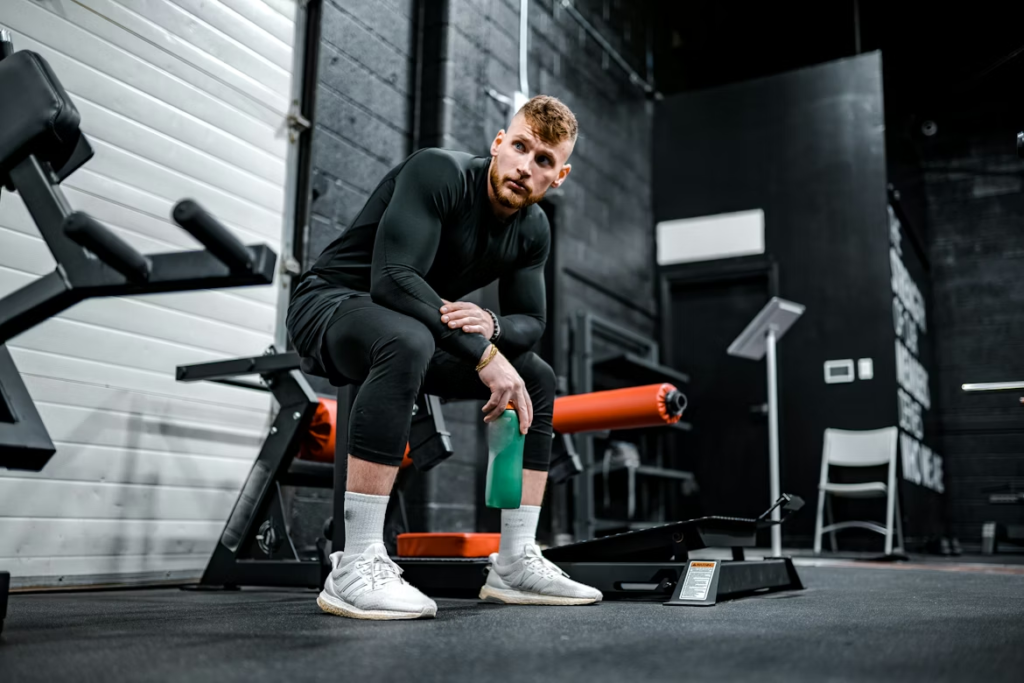
The answer is simple, even if it doesn’t feel that way: rest.
Take 1–2 weeks of easy or no training. Sleep more. Eat well. Let your body actually recover. Most people bounce back quickly once they give themselves permission to stop pushing.
After your rest period, come back with a smarter plan — build in at least 1–2 rest days per week, and don’t increase your workout intensity too fast. Here is a guide on How to make a gym schedule.
The Cleveland Clinic recommends taking several weeks of rest for full recovery from overtraining syndrome.
The Bottom Line
More isn’t always better when it comes to fitness. Your body grows stronger during rest, not during the workout itself. Learning to recognize the signs of overtraining early means you can fix it before it sets you back weeks or months.
Listen to your body. It’s usually right.
⚠️ Disclaimer
This article is for informational purposes only and should not be taken as medical advice. Always consult with a qualified healthcare provider or certified fitness professional before starting or changing your exercise routine — especially if you have existing health conditions, injuries, or concerns about overtraining.