
Metabolism with age does not work the way most people think: a large study found that energy use stays steady from your 20s to your 60s and only declines slowly after that.
Table of Contents
Quick Summary
- The surprise: a 2021 study in Science of more than 6,000 people in 29 countries found that adjusted metabolism stays stable from about age 20 to 60.
- After 60: it declines slowly, by roughly 0.7% a year in the researchers’ estimate.
- What does change: muscle mass tends to drop with age, and lower activity is a bigger factor than a “broken” metabolism.
- What helps: strength training, enough protein and staying active.
- See a doctor if: you gain weight fast or feel unusually tired, since thyroid problems can slow metabolism.
If you have blamed your 30s or 40s weight gain on a slowing metabolism, the research suggests the story is more complicated. This guide covers what the science says and what you can do about it.
What Is Metabolism?
Metabolism is the energy your body uses to stay alive and active. It includes the energy for breathing, circulation and repairing cells (your basal metabolic rate), the energy to digest food, and the energy you spend moving.
Most of what you burn in a day is the first part, the energy your body spends just keeping you going. That is why changes in body size and muscle matter so much.
Does Metabolism Slow Down With Age?
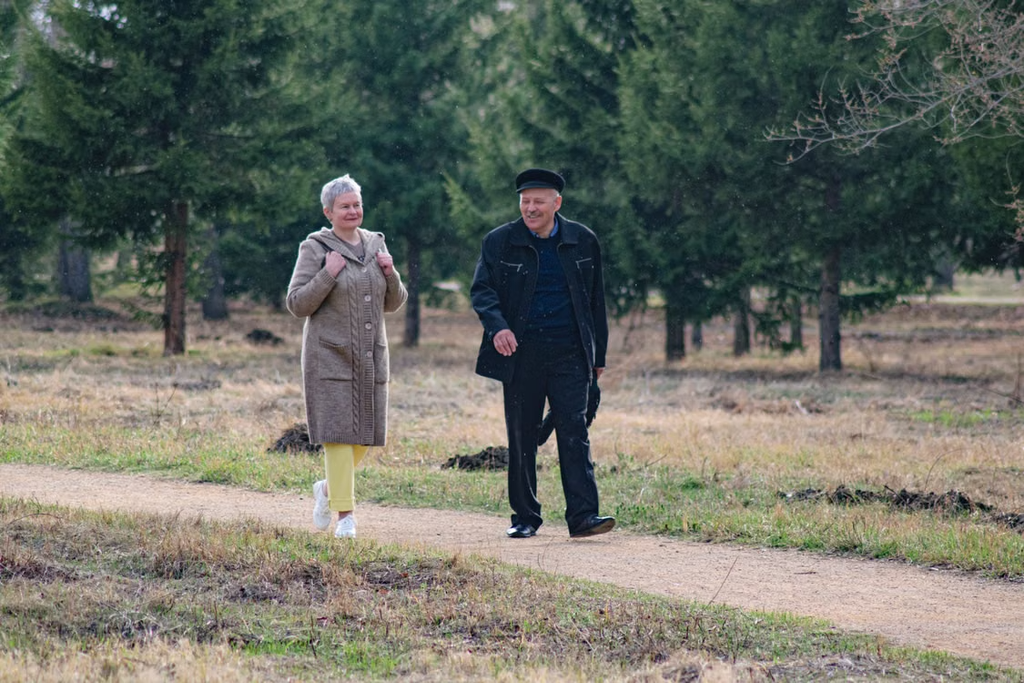
The common belief is that metabolism drops steadily after your 20s. A major study challenged that. Researchers led by Herman Pontzer analyzed data from more than 6,000 people in 29 countries, using the doubly labeled water method, a gold-standard way to measure how many calories people actually burn.
Their results, published in Science in 2021 and summarized by Duke University, found that:
- After adjusting for body size and body composition, metabolism stays stable between about ages 20 and 60.
- It then declines slowly after 60, by roughly 0.7% a year in the study’s estimate.
- Metabolism is highest per unit of body size in infancy, and changes through childhood and adolescence.
So the idea that your metabolism falls off a cliff at 30 does not match this data. That does not mean nothing changes. It means the cause is usually something else.
Why Many People Gain Weight as They Age
If metabolism holds steady, why does the scale creep up? A few things are likely to play a role:
- Less muscle. The research on older adults describes muscle loss of roughly 3 to 8% per decade after age 40. Muscle burns more energy than fat, so losing it lowers your total needs a little.
- Less movement. Desk jobs, family demands and tiredness often reduce daily activity without you noticing.
- Eating habits. Portions and snacks tend to creep up when life gets busy.
- Sleep and stress. Both can affect appetite and choices.
Notice that most of these are things you can change.
Metabolism With Age: What You Can Control
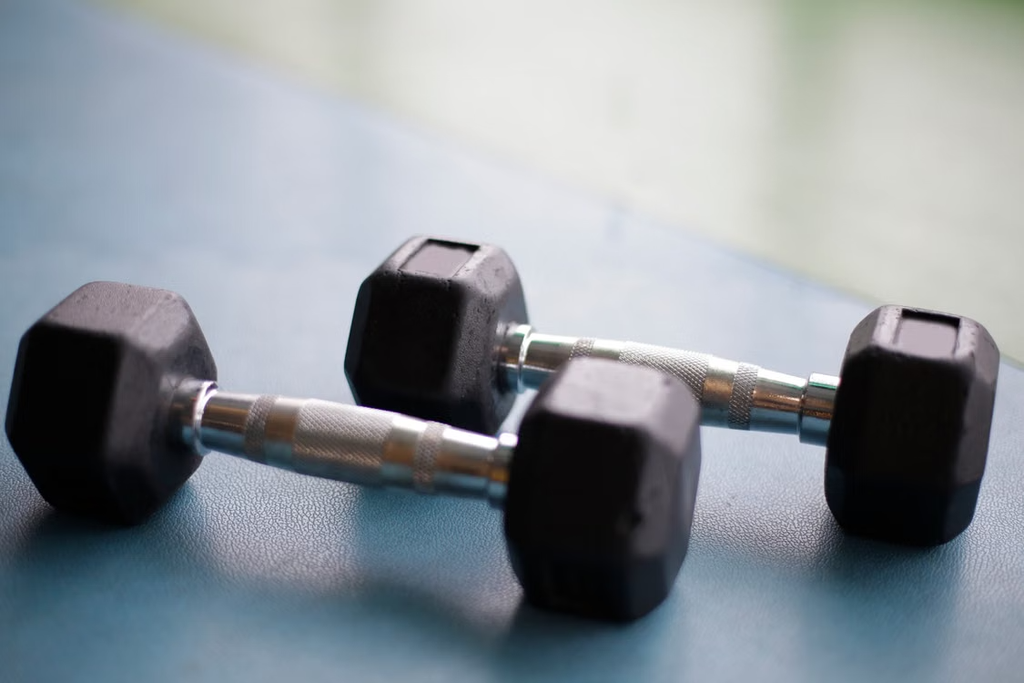
You cannot stop aging, but you can influence the parts that matter most. Here are the main levers.
1. Lift weights or use resistance
Strength training is the best-supported way to protect muscle. A 2025 scoping review of 36 studies and 2,146 older adults, published in Life, found that resistance training may improve strength in healthy older adults, with weaker effects on muscle mass. Most of the evidence was non-randomized, so the findings are suggestive rather than final.
You do not need a gym. A set of adjustable dumbbells is enough for most beginners. If you are new to lifting, start with our strength training for beginners guide.
2. Eat enough protein
Protein supports muscle, especially when you strength train. A scoop of whey protein powder is a convenient way to reach your target if food alone falls short. Our guide on how much protein beginners need explains how to work out your number.
3. Track your food for a short time
Most people misjudge portions. Weighing food for a couple of weeks with a digital food scale shows you where your calories actually come from. You do not have to do it forever.
4. Move more through the day
Walking, stairs and chores add up. Small increases in daily steps can matter as much as a workout, because you do them every day.
What About Supplements?
Be careful here. The NIH Office of Dietary Supplements notes that the evidence for weight-loss supplements is weak. There is no pill that reliably restarts a slow metabolism. Focus on food, strength training and sleep first, and talk to a doctor or pharmacist before taking anything new.
When a Slow Metabolism Is a Medical Issue
Sometimes a slow metabolism is a medical issue, not an age issue. An underactive thyroid (hypothyroidism) can slow your metabolism and cause weight gain, tiredness and feeling cold. If you notice these signs, or you gain weight quickly without a change in habits, see a doctor. A simple blood test can check your thyroid.
A Simple Weekly Plan
| Day | What to do |
|---|---|
| Monday | Full-body strength session, 30 to 40 minutes |
| Tuesday | 30-minute walk |
| Wednesday | Rest or gentle stretching |
| Thursday | Full-body strength session |
| Friday | 30-minute walk or easy cardio |
| Saturday | Longer activity you enjoy |
| Sunday | Rest, plan meals for the week |
This is a general starting framework, not a personal prescription. Adjust it to your fitness level, and check with a healthcare provider if you have health conditions.
Common Myths About Metabolism
- “My metabolism crashed at 30.” The large 2021 study found stable metabolism between about 20 and 60.
- “Eating small meals all day boosts metabolism.” There is no strong evidence that meal timing changes total energy burned in a meaningful way.
- “Some foods burn fat.” Foods have a small effect on energy use and cannot replace overall diet and activity.
- “I just have to accept weight gain.” Strength training, protein and daily movement all help.
Quick Answers
At what age does metabolism slow down? In the large 2021 study, adjusted metabolism started to decline slowly after about 60.
Does muscle really boost metabolism? A bit. Muscle uses more energy than fat, but the effect is modest. Its bigger benefit is strength and health as you age.
Can I speed up my metabolism with age? You cannot change it dramatically, but you can protect muscle and stay active, which supports your energy use.
Is metabolism with age different for women? The study looked at both sexes and found similar patterns after adjusting for body size.
The Bottom Line
Metabolism with age is steadier than the myth suggests. The bigger changes come from losing muscle and moving less. You can do something about both with strength training, enough protein and more daily movement.
Start with two strength sessions a week and a short daily walk, and give it a couple of months. If you notice sudden weight changes or constant fatigue, talk to a doctor about your thyroid and other causes.
Disclaimer & Affiliate Disclosure
This article is for informational purposes only and should not be taken as medical advice. Always consult with a qualified healthcare provider or certified fitness professional before starting or changing your diet or exercise routine. This article may also contain affiliate links. If you purchase through these links, we may earn a small commission at no extra cost to you.