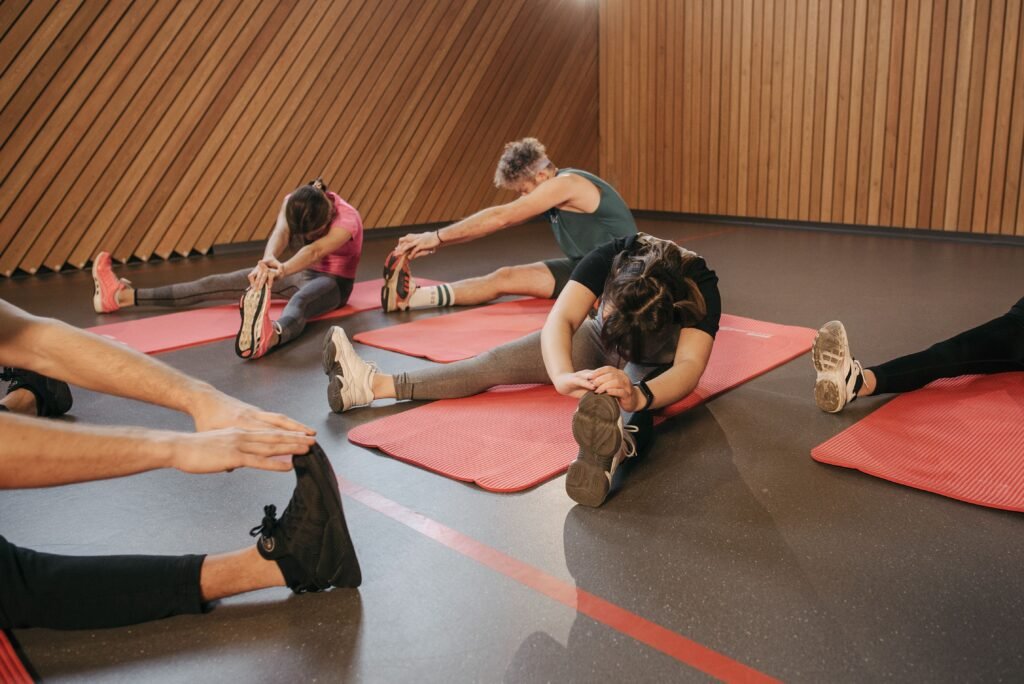
Learning how to improve flexibility doesn’t require the 20-30 minute daily routines most guides recommend — the actual research points to something much smaller.
Table of Contents
Quick Summary
- A 2024 systematic review and meta-analysis of 189 studies found flexibility improvements from static stretching were maximized at just 4 minutes per session and 10 minutes per week — more stretching beyond that didn’t produce additional gains.
- Dynamic stretching (moving through a range of motion) works best before activity; static stretching (holding a position) works best after, when muscles are already warm.
- People with poor baseline flexibility see larger improvements than those who are already reasonably flexible.
- Hamstrings responded better than the spine to stretching in the research — flexibility gains aren’t uniform across every muscle group.
- Consistency matters more than duration — a short, regular routine beats occasional long sessions.
Static vs Dynamic Stretching: When to Use Each
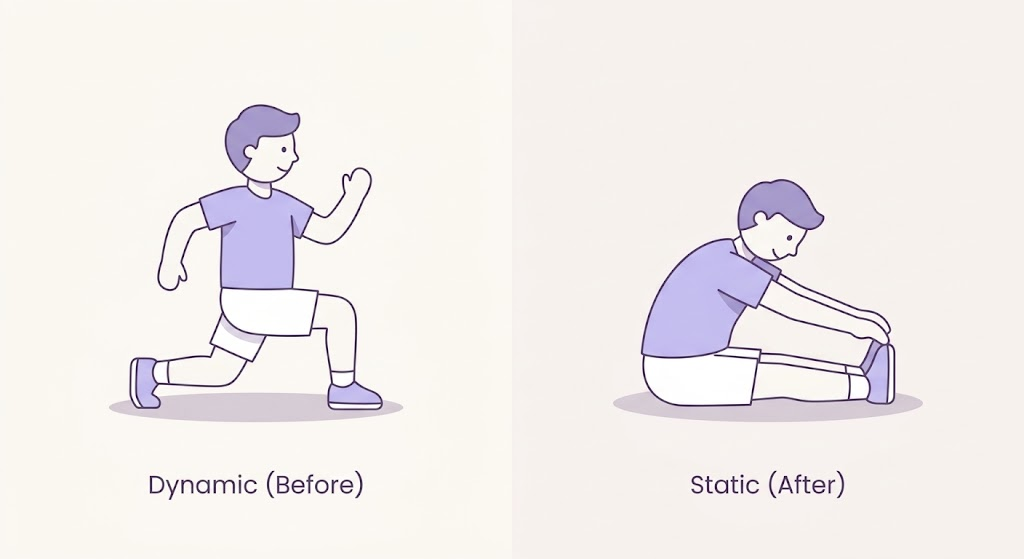
These two stretching types serve different purposes, and using the wrong one at the wrong time can actually work against you.
Dynamic stretching — moving through a range of motion (like leg swings or walking lunges) — is the better choice before exercise. It increases blood flow and muscle temperature without the performance cost that comes with long static holds beforehand.
Static stretching — holding a position for a sustained period — is better suited for after exercise, when your muscles are already warm. Research has found static stretching immediately before activity can reduce muscle strength and power output in that same session, which is exactly why it’s better saved for afterward, or for its own dedicated stretching session entirely.
The Real Dose That Works

Here’s the part most guides get wrong by overcomplicating: a systematic review and meta-analysis pooling 189 studies and over 6,600 adults examined exactly how much static stretching is needed to improve flexibility — and found a clear ceiling. Improvements were maximized at a cumulative volume of 4 minutes per session and 10 minutes per week total. Stretching beyond that volume didn’t produce additional flexibility gains in the research.
This means the common advice to stretch for 20-30 minutes daily is likely far more than necessary. A short, consistent routine — a few minutes, a few times a week — appears to capture essentially the full benefit.
Worth knowing too: the same research found people starting with poor baseline flexibility saw larger improvements than those already reasonably flexible, and hamstrings responded better than the spine to stretching specifically — flexibility gains aren’t identical across every part of your body.
How to Improve Flexibility: A Simple Weekly Routine
- 3-4 sessions per week, each roughly 3-4 minutes of static stretching
- Focus on major muscle groups you actually use: hamstrings, hips, shoulders, calves
- Hold each stretch for 20-30 seconds, breathing steadily rather than holding your breath
- Do this after exercise, or as its own short standalone session when muscles are already warm
Common Mistakes to Avoid
- Stretching cold muscles. Static stretching works best after some light movement, not as the very first thing you do.
- Assuming more time equals more flexibility. As the research shows, benefits plateau well before the 20-30 minute mark many guides recommend.
- Bouncing during a static stretch. Controlled, steady holds are safer and more effective than bouncing into the stretch.
- Stretching only occasionally. A short routine done consistently outperforms occasional long sessions.
Recommended Equipment
- Exercise mat — makes floor-based stretches more comfortable, especially on hard flooring
How to improve flexibility comes down to consistency over volume — a few focused minutes, several times a week, appears to capture most of the real benefit the research shows. If you want to see exactly where this fits around your training, our cool down after workout guide covers static stretching’s role afterward, and our warm up before a workout guide covers the dynamic side beforehand.
Disclaimer & Affiliate Disclosure
This article is for informational purposes only and should not be taken as medical advice. Always consult with a qualified healthcare provider or certified fitness professional before starting or changing your diet or exercise routine. This article may also contain affiliate links. If you purchase through these links, we may earn a small commission at no extra cost to you.