
Learning how to lose weight by fasting safely is one of the smartest moves a beginner can make — but only when it’s done right. Fasting is free, flexible, and backed by solid science. Done wrong, it leaves you exhausted, irritable, and no closer to your goals. This guide gives you everything you need to start safely and see real results.
Table of Contents
What Is Fasting and Why Does It Work?
Fasting means alternating between periods of eating and periods of not eating — or significantly reducing your calorie intake. It has become one of the most popular weight loss tools in the world because it doesn’t require you to obsessively count calories or cut out entire food groups.
But here’s the truth you need to hear before you start: fasting is not a magic shortcut. Weight loss still depends on consuming fewer calories than you burn. Fasting is simply a structured, sustainable way to create that calorie deficit — not a free pass to eat whatever you want during your eating window.
When people treat fasting as a crash diet or use it to justify overeating, it backfires fast. When they use it as a consistent daily structure, it works remarkably well. If you want to understand the calorie side of weight loss more deeply, our guide on how to lose weight fast for beginners covers it in full detail.
The Most Popular Fasting Methods for Beginners
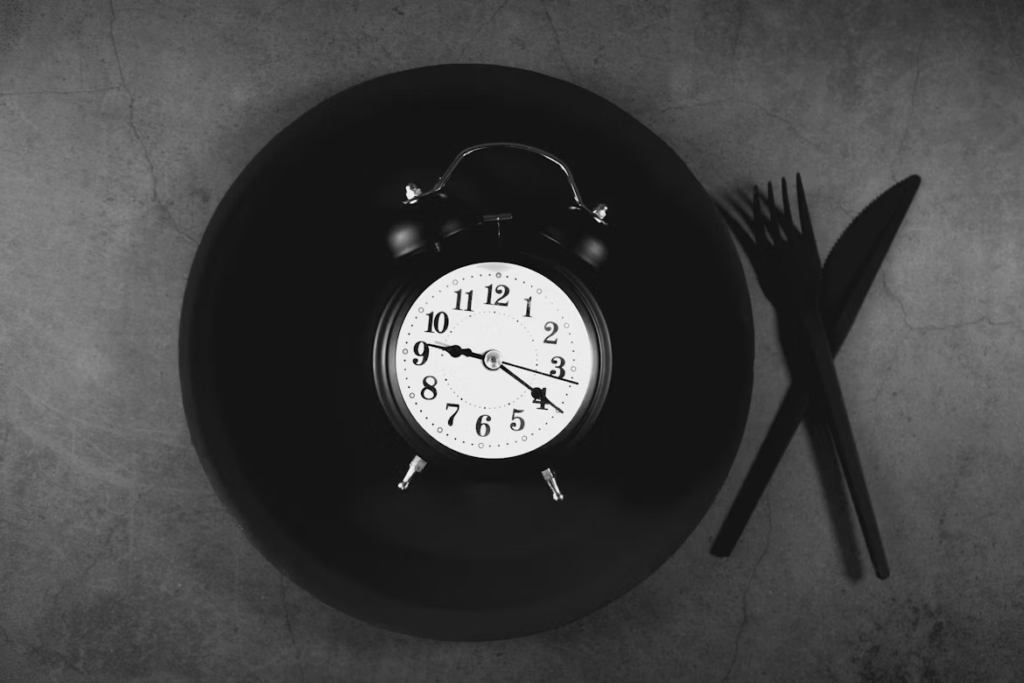
There are several fasting approaches to choose from. Here are the most common ones, ordered from gentlest to most demanding:
16:8 — Fast for 16 hours and eat within an 8-hour window. Most people do this by skipping breakfast and eating between noon and 8pm. This is the most popular method for beginners because it fits naturally into daily life with minimal disruption.
5:2 — Eat normally five days a week and significantly reduce your intake on two non-consecutive days, typically to around 500 to 600 calories on those days. This is one of the most well-studied fasting schedules for sustainable weight management.
Alternate-day fasting — Alternate between normal eating days and fasting or very low-calorie days. More demanding than 16:8 or 5:2 and not recommended as a starting point.
Eat Stop Eat — A complete 24-hour fast one to two times per week. Only recommended once you have experience with shorter fasting windows.
6:1 — Similar to 5:2 but with only one reduced-calorie day per week. A gentler entry point for complete beginners.
Where Should a Beginner Actually Start?
Don’t jump straight into 16:8 if you’ve never fasted before. Start smaller and build up gradually — your body needs time to adapt and this approach dramatically reduces side effects.
Week 1 to 2: Start with 12:12 — 12 hours fasting, 12 hours eating. For most people, this simply means finishing dinner by 8pm and not eating again until 8am. Many people already do this without realising.
Week 3 to 4: Move to 14:10 — 14 hours fasting, 10-hour eating window. A small step up that your body handles well once 12:12 feels comfortable.
Week 5 onwards: Try 16:8 if ready — Only move here when 14:10 feels easy and natural. There’s no rush and no prize for going faster than your body is ready for.
Shorter fasting windows can still meaningfully reduce your calorie intake and support real weight loss when done consistently. You don’t need to go extreme to see results.
How to Lose Weight by Fasting Safely — 8 Rules Every Beginner Must Follow

According to Healthline’s guide on safe fasting, these core principles apply across all fasting methods and are especially important for beginners:
1. Keep fasting periods short at first
Most popular fasting protocols fall in the 8 to 24-hour range. As a beginner, stay at the shorter end until your body adapts. Extreme or prolonged fasting offers no meaningful additional benefit and carries real risks.
2. Stay hydrated — this is non-negotiable
During fasting periods, aim for more than 8 cups of water per day. Black coffee and plain tea are also fine. Never attempt dry fasting — removing both food and water simultaneously creates serious dehydration risk and should be avoided entirely.
3. Don’t break your fast with a feast
This is the most common beginner mistake. Breaking a fast with a huge meal causes bloating, spikes blood sugar dramatically, and often leads to consuming more calories than you saved during the fast. Break your fast with a normal, balanced meal.
4. Eat protein and whole foods during eating windows
The quality of what you eat during eating periods matters enormously. Focus on vegetables, fruit, whole grains, and lean protein — chicken, eggs, fish, Greek yogurt, and legumes. Enough protein specifically helps protect muscle mass during fasting.
5. Keep exercise mild when starting out
Intense training while fasted can cause dizziness, nausea, and poor performance. Stick to gentle walks, light stretching, or yoga at first. Increase exercise intensity gradually as your body adapts over several weeks.
6. Stop fasting immediately if you feel unwell
If you experience dizziness, faintness, weakness, chest pain, severe headaches, or feel genuinely ill — stop fasting and eat something immediately. No weight loss goal is worth your health. Listen to your body above everything else.
7. Don’t overeat during your eating window
Fasting only creates a calorie deficit if you eat normally and sensibly when you do eat. If you consistently overeat during your eating window, you will cancel out the deficit entirely and see no results.
8. Consider a basic multivitamin
Extended fasting can create small nutritional gaps over time. A daily multivitamin taken with food during eating windows can help cover those shortfalls — particularly if you’re following 5:2 or longer protocols. You can explore a wide range of high-quality health and weight management supplements to help support your journey.
Common Side Effects of Fasting (And How to Manage Them)
Fasting isn’t always comfortable in the first week. Common side effects include hunger, fatigue, irritability, headaches, difficulty concentrating, nausea, and disrupted sleep. Most of these ease significantly after one to two weeks as your body adapts to the new eating pattern.
Staying well hydrated, eating nutritious whole foods during eating windows, starting with shorter fasting periods, and not exercising too intensely in the early weeks all help reduce the severity of these symptoms. If side effects persist beyond two weeks or become severe, stop fasting and consult a doctor.
When you’re breaking your fast, choosing nutrient-dense, satisfying options makes a real difference. If you need something convenient, these healthy, nutrient-dense snacks are a great option for your eating window — they are wholesome, filling, and far better than reaching for processed foods
Who Should Not Fast
Fasting is not suitable for everyone. Do not fast if you are:
- Under 18 — skipping meals is not recommended for young people without medical guidance
- Pregnant or breastfeeding — fasting is not safe during pregnancy or nursing
- Managing an eating disorder — fasting can trigger or worsen disordered eating patterns
- Diabetic or managing blood sugar issues — fasting affects blood glucose significantly and requires medical supervision
- Underweight, on prescription medications, or have low blood pressure — speak with a doctor before attempting any fasting protocol
- An athlete with high training demands — fasting can be difficult to fit around fuelling and recovery needs
If any of the above applies to you, always get medical advice before starting.
The Bottom Line
How to lose weight by fasting safely comes down to starting slow, staying hydrated, eating well during your eating windows, and always listening to your body. Fasting works when it helps you consistently consume fewer calories than you burn — not when it’s used as a crash diet or an excuse to overeat. Start with 12:12, build up gradually, and give your body the time it needs to adapt. Done right, fasting is one of the most flexible and sustainable approaches to weight loss available.
Disclaimer & Affiliate Disclosure
This article is for informational purposes only and should not be taken as medical advice. Always consult with a qualified healthcare provider before making significant changes to your diet or exercise routine. This article may also contain affiliate links. If you purchase through these links, we may earn a small commission at no extra cost to you.