Can you eat carbs and still lose weight? The short answer is yes — and the long answer is that cutting carbs completely is one of the most unnecessary and unsustainable things you can do when trying to lose fat. Here’s the honest truth that most diet advice gets wrong.
Table of Contents
Why Carbs Got Such a Bad Reputation
Somewhere along the way, carbohydrates became the villain of the nutrition world. Low-carb diets exploded in popularity, and suddenly eating bread felt like a crime. But the science tells a very different story.
Carbs are not making you gain weight. Eating more calories than you burn is what causes weight gain — and carbs are simply one source of those calories. The real issue was never carbohydrates themselves. It was the overconsumption of low-quality, highly processed foods that happen to be high in refined carbs.
Can You Eat Carbs and Still Lose Weight? Yes — Here’s Why
Weight loss happens when you consistently burn more calories than you consume. That’s it. Whether those calories come from carbs, protein, or fat is far less important than your overall calorie balance.
In fact, carbohydrates are lower in calories gram for gram than fat. Carbs contain 4 calories per gram, while fat contains 9 calories per gram. Choosing complex carbohydrates over fatty processed foods can actually help you stay within your calorie target more easily.
The key is not eliminating carbs — it’s choosing the right ones and managing your overall intake.
The Real Difference: Complex Carbs vs Refined Carbs

Not all carbs work the same way in your body. This is where the real conversation starts.
Complex carbohydrates are digested slowly, keep you fuller for longer, and come packed with fibre, vitamins, and minerals your body needs. They provide steady energy without the blood sugar spike and crash. These are the carbs you want to build your meals around — oats, brown rice, sweet potato, whole grain bread, quinoa, lentils, beans, fruits, and vegetables.
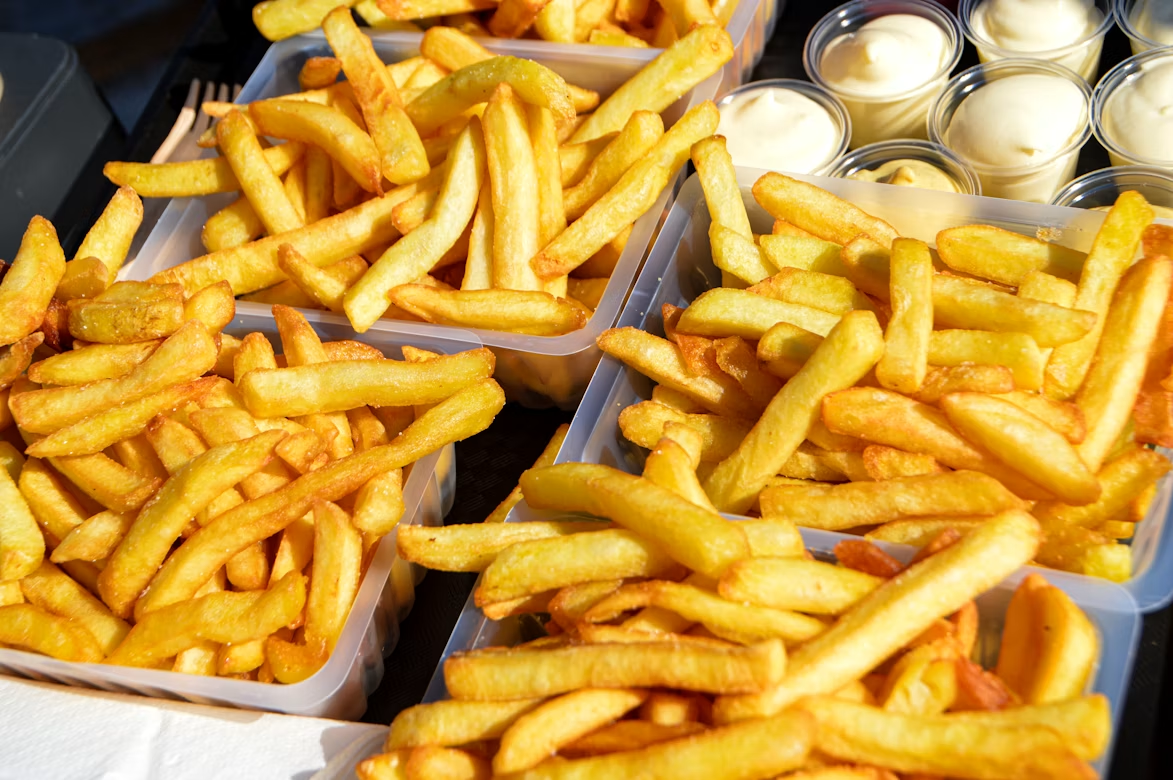
Refined carbohydrates are stripped of their fibre and nutrients during processing. They digest rapidly, spike your blood sugar, leave you hungry again quickly, and add calories without much nutritional value. These are the carbs worth cutting back on — white bread, sugary drinks, pastries, sweets, crisps, and fast food.
The single most effective dietary change most people can make is swapping refined carbs for complex ones. You don’t need to go low-carb. You just need to go better-carb.
How Many Carbs Can You Eat While Losing Weight?
General health guidelines recommend that 45 to 65 percent of your daily calories come from carbohydrates. For someone eating 2000 calories per day, that’s roughly 225 to 325 grams of carbs daily.
When actively trying to lose fat, staying toward the lower end of that range while prioritising complex carb sources and ensuring adequate protein is a practical and sustainable approach. You don’t need to obsessively count grams. Simply replacing refined carbs with whole food alternatives and being mindful of your total calorie intake will move you in the right direction consistently.
According to Medical News Today, weight loss is more dependent on overall calorie balance than on cutting out specific food groups like carbohydrates.
Why Cutting Carbs Too Low Backfires for Active People
If you’re exercising — which is essential for long-term weight loss — cutting carbs too aggressively will hurt your progress, not help it. Your muscles rely on glycogen, which comes directly from carbohydrates, to fuel training sessions.
Train on too few carbs and your energy crashes, your workouts suffer, your recovery slows, and you’re far more likely to give up entirely. For more on fuelling your training properly, check out our guide on what should I eat before a workout.
Eating enough carbs around your workouts means you train harder, burn more calories, and recover faster — all of which support fat loss over time.
Why Low-Carb Diets Seem to Work So Fast
Low-carb diets often show fast initial weight loss — but it’s important to understand what’s actually happening. Your body stores carbohydrates as glycogen, and glycogen holds water. When you cut carbs dramatically, your body burns through stored glycogen and releases that water. The scale drops quickly — but you’re losing water weight, not body fat.
The moment you reintroduce carbs, that water weight returns. This is why so many people feel like they’ve failed after going back to normal eating. The weight regain wasn’t failure — the diet was simply never sustainable.
5 Practical Tips for Eating Carbs While Losing Weight
Swap white rice for brown rice or quinoa. For healthy snack alternatives that won’t blow your calorie budget, check out Amazin’ Graze. You get the same satisfying carb hit with more fibre, more nutrients, and slower digestion that keeps you fuller for longer.
Choose whole grain bread over white bread. It has a lower glycaemic index, more fibre, and keeps blood sugar far more stable throughout the day.
Eat fruit freely. Fruit contains natural sugars, but it also comes with fibre, water, and vitamins that make it a genuinely beneficial carb source for weight loss.
Reduce liquid carb calories. Sugary drinks, fruit juices, energy drinks, and alcohol are the easiest carbs to cut. They add significant calories with almost zero nutritional benefit.
Time your starchy carbs around activity. Eating carbs earlier in the day and around your workouts — when your body can use them most effectively — is a simple strategy that supports both energy and fat loss.

The Bottom Line
Can you eat carbs and still lose weight? Absolutely yes. Focus on complex, whole food carb sources, cut back on refined and processed options, manage your overall calorie intake, and stay consistent. Carbs are not your enemy — the wrong kind of carbs in the wrong quantities are. Get that distinction right and losing weight becomes far more sustainable and enjoyable.
Disclaimer & Affiliate Disclosure
This article is for informational purposes only and should not be taken as medical advice. Always consult with a qualified healthcare provider or registered dietitian before making significant changes to your diet.
This article contains affiliate links. If you purchase through these links, we may earn a small commission at no extra cost to you