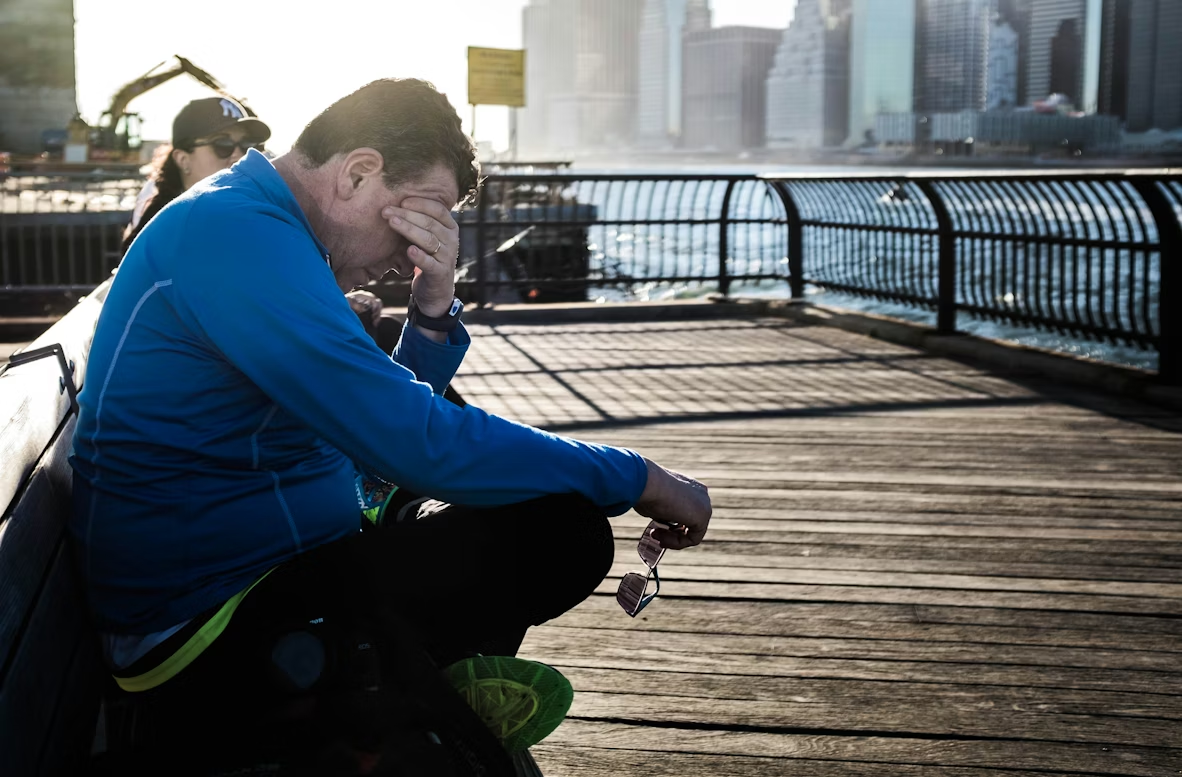
How long does it take to recover from a workout? It sounds like a simple question — but the answer might surprise you. Most beginners either rest too little and get injured, or rest too much and lose momentum. Here’s the simple, honest breakdown.
Table of Contents
What Actually Happens When You Work Out?
Every time you train, you create tiny tears in your muscle fibres. That sounds bad — but it’s exactly how your body gets stronger. During recovery, those fibres repair themselves and grow back slightly tougher than before. Strength and muscle gains happen during rest, not during the workout itself.
Skip recovery too often and those tears pile up. That’s how overtraining, injuries, and burnout start. If you want to know the warning signs, read our guide on what are the signs of overtraining.
How Long Does It Take to Recover From a Workout? A Simple Breakdown
The honest answer is: it depends on how hard you trained. Here’s a simple guide:
Light workouts — easy walks, gentle stretching, casual cycling — need around 12 to 24 hours of recovery. Your body bounces back quickly from low-intensity sessions.
Moderate workouts — jogging, bodyweight circuits, light weights — typically need 24 to 48 hours before you train the same muscles again.
Hard workouts — heavy lifting, HIIT, intense cardio — require 48 to 72 hours between sessions. At this intensity, even if your muscles feel ready, your nervous system still needs a break too.
As a beginner, always err on the side of more rest. Your body isn’t yet adapted to training stress and needs extra time to repair.
Recovery Time by Muscle Group
Not all muscles recover at the same rate. Leg muscles are large and take a beating during lower body training, often needing 48 to 72 hours to fully recover. Your core and abs recover faster, usually within 24 to 48 hours. Smaller muscles like biceps and triceps tend to fall somewhere in between.
This is why training splits are so effective — you can train chest on Monday, legs on Tuesday, and back on Wednesday, giving each muscle group time to recover while you keep making progress.
5 Things That Speed Up Recovery

Sleep is the most powerful recovery tool you have. Most muscle repair happens while you sleep, so aim for 7 to 9 hours every night.
Protein gives your muscles the building blocks they need to repair. Make sure you’re eating enough of it, especially after training.
Water is essential. Dehydration slows recovery significantly — drink plenty throughout the day, not just during workouts.
Light movement on rest days — a gentle walk or some easy stretching — keeps blood flowing to sore muscles and helps reduce stiffness faster than lying completely still.
Consistency matters more than intensity. The more regularly you train over time, the faster your body adapts and the quicker your recovery becomes.
When Should You Be Worried?

Normal post-workout soreness — that dull, achy feeling 24 to 48 hours after training — is called DOMS and is completely fine. In most cases your muscles should feel recovered within 48 hours. If soreness or pain lingers well beyond that, or if you feel sharp pain during a workout, stop and pay attention. That’s your body signalling something more serious.
According to Healthline, DOMS is a normal response to new or intense exercise and typically resolves within 72 hours.
The Bottom Line
How long does it take to recover from a workout? For most beginners: 24 to 48 hours for moderate sessions, 48 to 72 hours for intense ones. Rest well, eat enough, stay hydrated, and don’t rush back before your body is ready. Recovery isn’t a setback — it’s where the progress actually happens.
Disclaimer
This article is for informational purposes only and should not be taken as medical advice. Always consult with a qualified healthcare provider or certified fitness professional before starting or changing your exercise routine — especially if you have existing health conditions, injuries, or concerns about overtraining.