
If you’ve ever felt guilty for skipping the gym, this article is for you.
Rest days aren’t laziness. They’re actually where the magic happens. How many rest days should I have? The honest answer: more than most beginners think.
Here’s everything you need to know.
Table of Contents
Why Rest Days Actually Matter
When you work out, you’re breaking your muscle fibres down. It’s during rest — not during the workout — that your body repairs them and builds them back stronger.
Skip enough rest days and you don’t get fitter. You just stay broken down. That’s how overtraining happens. If you want to know the signs, check out our guide on what are signs of overtraining.
So How Many Rest Days Should I Have?

Here’s the simple answer based on your level:
Beginner (first 3 months): 2–3 rest days per week. Your body isn’t used to the stress yet and needs more time to adapt. Working out 3–4 days a week is plenty.
Intermediate (3–12 months in): 1–2 rest days per week. You’ve built a base, your body recovers faster, and you can handle more volume.
Advanced (1+ year consistent training): At least 1 full rest day per week, no matter how fit you are. Even elite athletes build rest into their programmes.
If you’re unsure where you fall, start with 2 rest days. You can always add more training days later — it’s much harder to recover from ignoring rest entirely.
Active Rest vs Full Rest — What’s the Difference?

Not all rest days look the same.
Full rest means doing very little — maybe a short walk, some stretching, and a lot of doing nothing. This is best after your hardest training days or when you’re feeling run down or sick.
Active rest means doing something light that keeps your body moving without stressing it — a 20-minute walk, casual swimming, yoga, or a gentle cycle. This actually helps your muscles recover faster by keeping blood flowing.
For most beginners, a mix of both works well. One full rest day and one active rest day per week is a solid starting point.
Signs You Need More Rest Days
Your body will usually tell you when it needs a break. Watch out for these:
- You’re still sore from a workout 3–4 days later
- Your energy is lower than usual even after sleeping well
- Workouts that felt easy before now feel impossible
- You’re getting sick more often
- You’re dreading the gym instead of looking forward to it
Any of these showing up consistently? Add an extra rest day that week. It won’t set you back — it’ll push you forward.
What Should You Do On Rest Days?
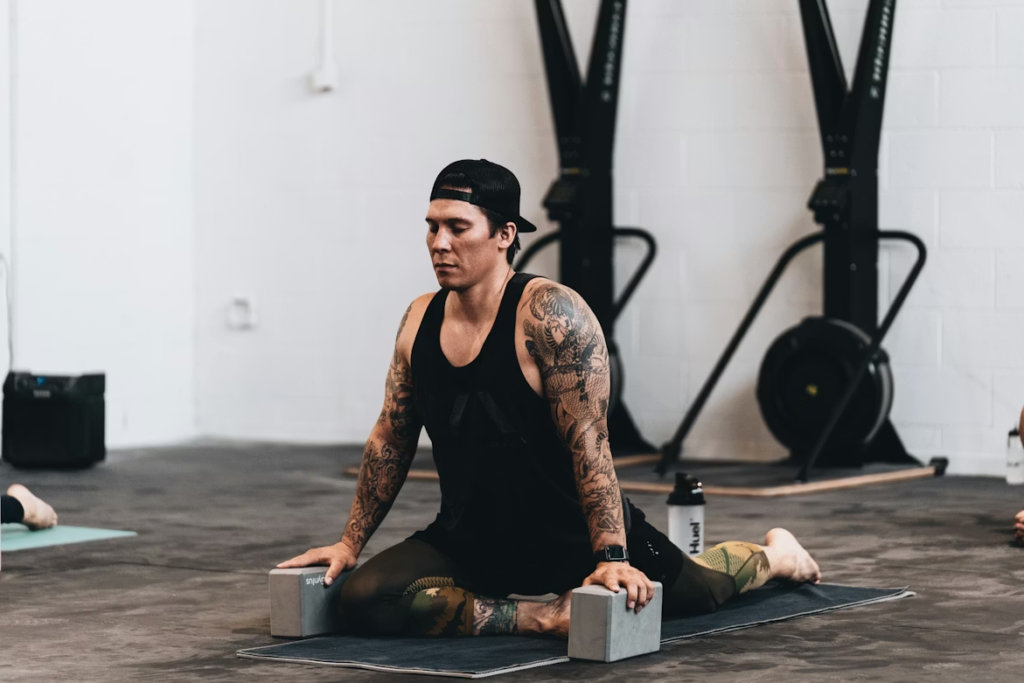
This is the question most articles ignore. Here’s what actually helps:
- Sleep more. This is when most muscle repair happens.
- Eat enough protein. Your body is still rebuilding on rest days — don’t undereat.
- Light stretching or walking. Keeps blood flowing without adding stress.
- Drink plenty of water. Recovery requires hydration.
- Stay off your feet if you’re really sore. Sometimes true rest is the best medicine.
What not to do: don’t use a rest day as an excuse to go harder the next day. Ease back in, especially after a full rest day.
The Bottom Line
How many rest days should I have? For most beginners, 2 rest days a week is the sweet spot. As you get fitter, you might drop to 1. But even the most advanced athletes in the world take rest days — because rest isn’t optional, it’s part of the process.
Train hard. Rest harder.
⚠️ Disclaimer
This article is for informational purposes only and should not be taken as medical advice. Always consult with a qualified healthcare provider or certified fitness professional before starting or changing your exercise routine — especially if you have existing health conditions, injuries, or concerns about overtraining.