Starting your fitness journey at home can feel empowering — no crowds, no commute, no pressure. But like any new habit, it comes with a learning curve. In this article, we’ll explore the most common home workout mistakes beginners make — and more importantly, how to avoid them so you stay consistent, safe, and motivated.
Table of Contents
❌ 1. Skipping the Warm-Up: : The Fastest Way to Get Injured

Why it’s a problem:
Jumping into exercises cold can shock your muscles, increase your risk of injury, and reduce your performance.
According to the Mayo Clinic, warming up before exercise not only reduces the risk of injury but also helps improve workout performance.
Fix it:
Always take 3–5 minutes to get your heart rate up and muscles moving. Try:
- 30 seconds of jumping jacks
- Arm circles
- Dynamic stretches (like leg swings or shoulder rolls)
❌ 2. Going Too Hard, Too Soon: Why You’re Sore and Burned Out
Why it’s a problem:
Going all-in on Day 1 might feel productive, but it leads to burnout, soreness, or injury — especially if your body isn’t used to regular movement. Pushing yourself like an athlete on Day 1 leads to soreness, frustration, and sometimes quitting.
Fix it:
Start with short, low-impact sessions (10–15 minutes) and build up. It’s better to be consistent 3x a week than to crash after one intense workout. Progress beats perfection.
❌ 3. Bad Form = Bad Results (and Possible Injuries)

Why it’s a problem:
Bad form can lead to joint pain, back strain, and long-term injuries — even with bodyweight moves.
Fix it:
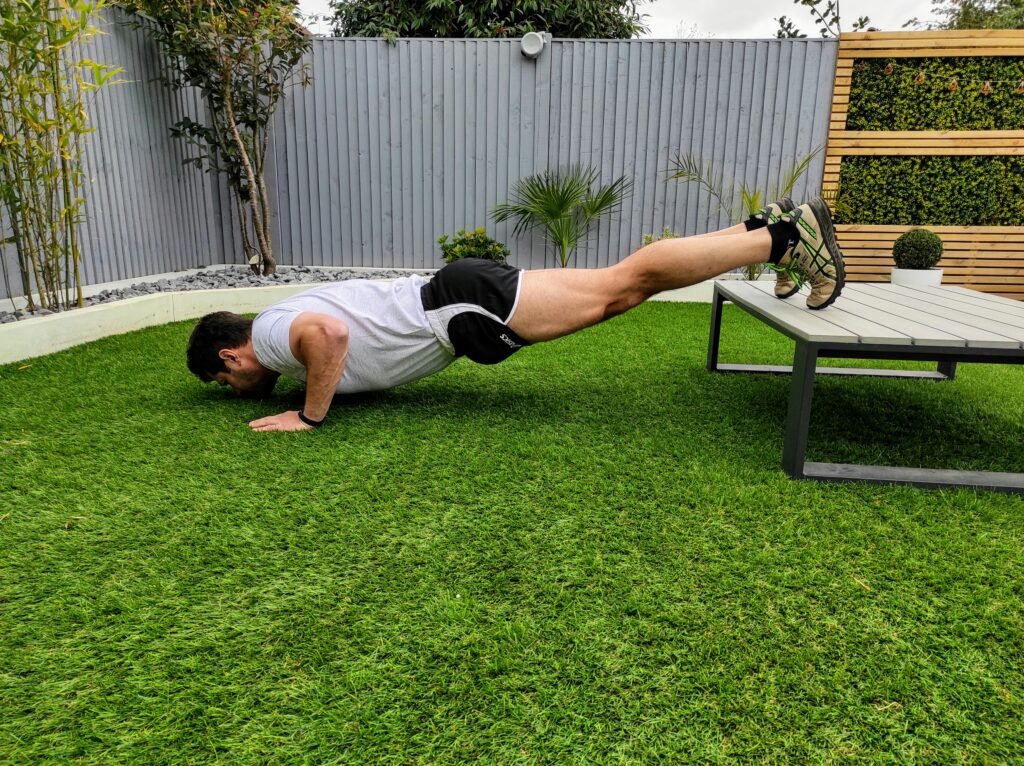
Slow down and focus on technique. Use mirrors, follow trusted video demos, or record yourself to spot mistakes. If you’re unsure, stick to simpler variations (e.g., knee push-ups instead of full). Focus on quality over speed.
❌ 4. Doing the Same Workout Over and Over (And Expecting Progress)
Why it’s a problem:
Your body adapts fast. If you never switch things up, you’ll plateau and stop seeing progress.
Fix it:
Change your workout every few weeks. Alternate between strength, cardio, and flexibility days. You don’t need to overhaul everything — even small changes (like tempo or rep count) help.
❌ 5. Forgetting Recovery: The Hidden Key to Getting Stronger

Why it’s a problem:
Your muscles don’t grow during your workout — they grow during rest. Pushing too hard with no recovery leads to fatigue, poor sleep, and will kill motivation.
Fix it:
Take 1–2 rest days per week and get enough sleep. You can still do active recovery (like light stretching or walking) to stay in the habit.
🔁 Bonus: Comparing Yourself to Others

Why it’s a problem:
Watching fitness influencers or friends progress faster can make you feel discouraged or impatient.
Fix it:
Remember: this is your journey. Track your own progress — not someone else’s highlight reel. Progress photos, journals, or strength milestones are better markers than social media.
🧠 Key Takeaway
Avoiding these beginner home workout mistakes isn’t about being perfect — it’s about being aware and adjusting as you go. Show up. Stay consistent. And know that every rep (done right) gets you one step closer to your goals.
Not sure how to start working out at home? Check out our Beginner Home Workout Plan.
⚠️ Disclaimer
This content is for informational purposes only and does not substitute medical advice. Consult a professional before starting any new fitness program, especially if you have pre-existing conditions.