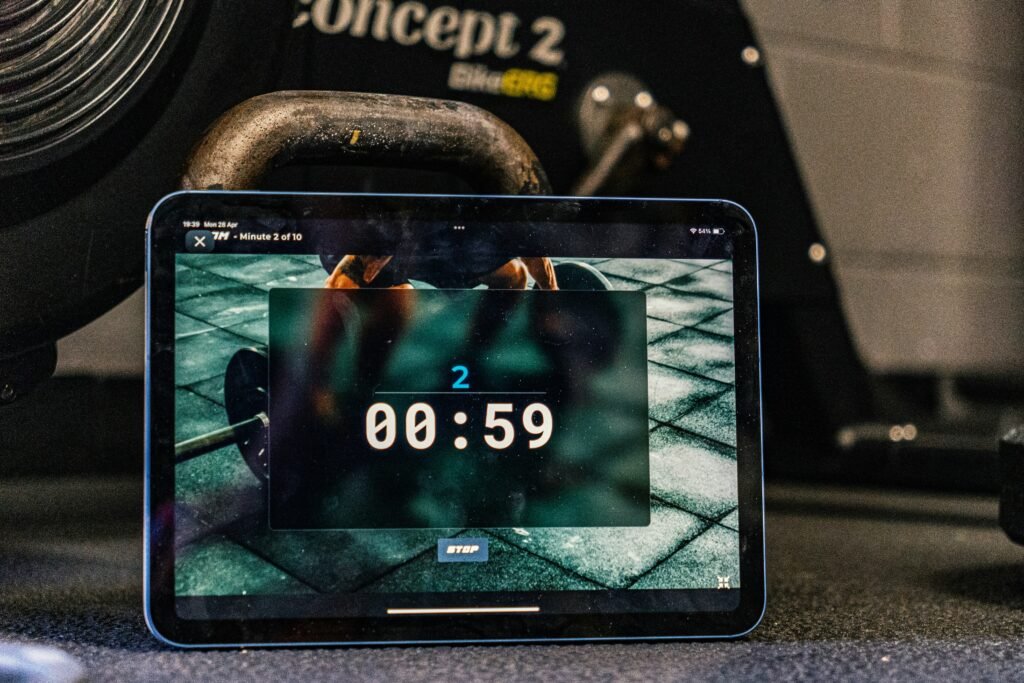
You finally made time to work out. You walk into the gym… and now you’re wondering:
“How long should I be here?” or “How Long Should Your Gym Session Be?“
Some people grind for two hours. Others are out in 25 minutes.
So what’s right? And how long does your gym session need to be to actually get results?
Let’s break it down clearly — based on science, goals, and what fits into your life.
Table of Contents
The Truth: There’s No “Perfect” Workout Length
There’s no one-size-fits-all rule for workout duration. It depends on:
- Your goals (weight loss, muscle gain, general health)
- Your fitness level (beginner vs. advanced)
- The type of training you’re doing
- How much time you can realistically commit
That’s why the most effective workouts are the ones you can stick to — whether that’s 20 minutes or 60.
💪Strength Training: 45–60 Minutes
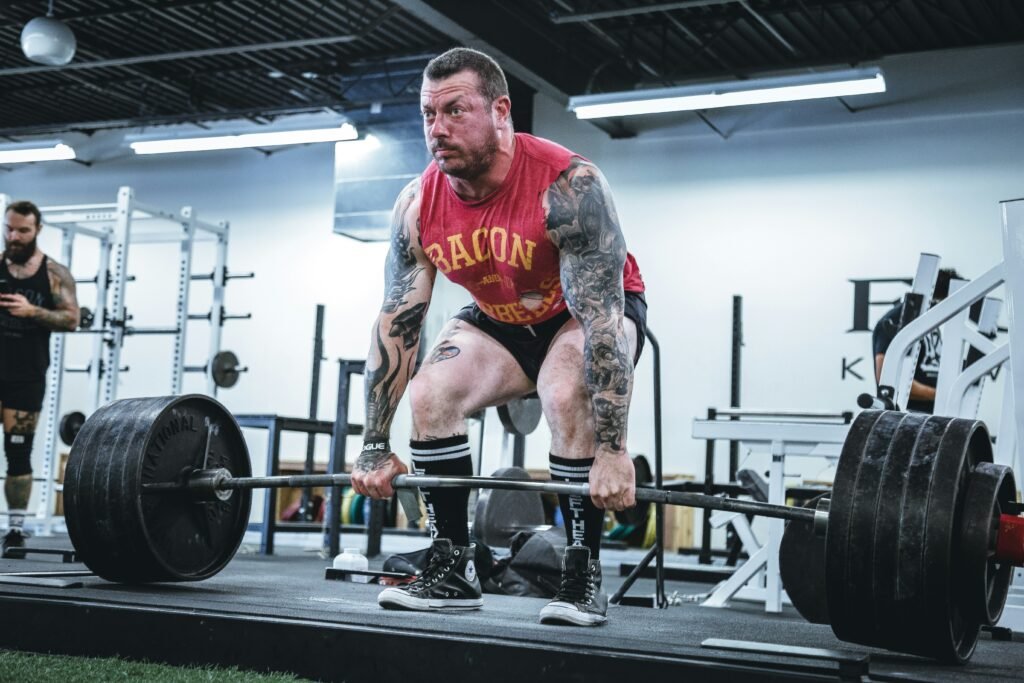
Most effective gym-based lifting sessions fall between 45 to 60 minutes. This includes:
- Warm-up: 5–10 min
- Compound lifts: 20–25 min
- Accessory work: 10–15 min
- Cooldown/stretch: 5–10 min
You can absolutely build muscle with 3–4 focused exercises done with progressive overload — no need to spend 2 hours in the gym.
🧠 Tip: If time is tight, supersets (doing two exercises back-to-back) help you save time without sacrificing gains.
🫀 Cardio Workouts: 20–45 Minutes

Cardio doesn’t have to mean endless treadmill slogs. The best cardio length depends on your goal:
- Fat burning & heart health: 20–30 min of moderate-intensity cardio
- Endurance: 45–60 min steady-state
- HIIT (High-Intensity Interval Training): 15–25 min max
Consistency matters more than total time. You’re still making progress even if it’s just a brisk walk around your block for 20 minutes.
🔁 Full-Body Bodyweight or Calisthenics Workouts: 30–45 Minutes

These sessions are efficient and often need less rest between exercises. A simple structure might look like:
- Warm-up: 5 min
- Circuit of 5–6 bodyweight moves: 3 rounds
- Core finisher: 5 min
- Cooldown stretch: 5 min
✅ Great for people working out at home or without access to weights.
What About Rest Days?

Even if your sessions are short, your body still needs recovery.
- Most beginners do well with 3–4 gym sessions per week
- More experienced lifters can handle 4–6, depending on intensity
- Add active recovery (like walking or yoga) 1–2 days a week
You don’t build strength during the workout — you build it while you recover.
Don’t Forget: Quality > Time Spent
It’s easy to think more time = better results. But longer workouts aren’t automatically better.
A focused 30-minute workout beats a distracted 90-minute one.
If you’re short on time, choose:
- 2 compound lifts (like squats + rows)
- 2 accessory movements
- A finisher (like planks or sled pushes)
Boom — you’re done in 35–40 minutes.
Research from Harvard Health shows that just 15 minutes of moderate daily exercise can significantly lower the risk of early death and improve cardiovascular health, proving short workouts can matter just as much as long ones.
Sample Workout Lengths (Based on Goal)
| Goal | Recommended Duration | Notes |
|---|---|---|
| Build Muscle | 45–60 min | Focus on progressive overload |
| Lose Fat | 30–45 min | Combine strength & cardio or try HIIT |
| Improve Endurance | 45–75 min | Steady-state or long intervals |
| General Health | 20–30 min | Short full-body routines work great |
| No Time at All | 10–15 min | Try movement stacking or mini circuits |
Final Thoughts: Train Smart, Not Just Long
There’s no magic number of minutes that guarantees results. The best gym session is the one you can repeat — and enjoy.
Start with what fits your schedule. Go hard when you can, but don’t skip short sessions just because they seem “too quick.” They still count.
This article is for informational purposes only and is not a substitute for medical or fitness professional advice. Always consult a qualified expert before starting a new exercise routine, especially if you have health conditions or injuries.
⚠️ Disclaimer
This article is for informational purposes only and is not a substitute for medical or fitness professional advice. Always consult a qualified expert before starting a new exercise routine, especially if you have health conditions or injuries.
Next Steps
- Want efficient training? Try our 10-Minute Home Workouts for Busy People
- New to lifting? Follow our Beginner Home Workout Plan (No Equipment)
- Building your gym routine? Learn How to Make a Gym Schedule